

Can a Moisture Cable be Reused?
As a supplier of moisture cables, I often receive inquiries from customers about the reusability of these cables. This topic is not only relevant to cost - efficiency but also to environmental sustainability. In this blog, I'll delve into the factors that determine whether a moisture cable can be reused and provide insights based on scientific knowledge and industry experience.
Understanding Moisture Cables
Moisture cables are specialized cables designed to measure and monitor moisture levels in various environments. They are widely used in industries such as agriculture, food storage, and environmental monitoring. For example, in agriculture, Grain Moisture Monitor cables are used to determine the moisture content of grains, which is crucial for preventing spoilage during storage. In cold storage facilities, Cold Storage Tank Temperature Measurement Cable also play a vital role in ensuring optimal conditions by monitoring both temperature and moisture.
The construction of moisture cables typically involves a combination of conductive materials and insulation. The conductive elements are sensitive to moisture, and changes in moisture levels cause variations in electrical properties such as resistance or capacitance, which can be measured and correlated to the actual moisture content.
Factors Affecting Reusability
Physical Damage
One of the primary factors that determine whether a moisture cable can be reused is physical damage. During installation, operation, or removal, cables can be subjected to mechanical stress such as bending, pulling, or abrasion. If the outer insulation of the cable is damaged, it can expose the internal conductive elements to the environment. This not only affects the cable's performance but also increases the risk of short - circuits or inaccurate moisture measurements.
For instance, if a cable has been bent beyond its recommended bend radius, it can cause internal fractures in the conductive wires. These fractures can disrupt the electrical signal and lead to inconsistent moisture readings. In such cases, reusing the cable is not advisable as it will likely provide unreliable data.
Chemical Exposure
Moisture cables may be exposed to various chemicals depending on the application environment. In agricultural settings, they can come into contact with pesticides, fertilizers, or other agricultural chemicals. In industrial environments, they may be exposed to solvents, acids, or alkalis.
Chemical exposure can degrade the insulation and conductive materials of the cable. For example, strong acids can corrode the metal conductors, reducing their conductivity and affecting the cable's ability to accurately measure moisture. If a cable has been exposed to harsh chemicals, it may be necessary to evaluate the extent of the damage through laboratory testing before considering reuse.
Electrical Performance Degradation
Over time, the electrical performance of moisture cables can degrade due to normal wear and tear. The conductive materials may experience oxidation, which increases resistance and affects the cable's sensitivity to moisture. Additionally, the insulation properties may change, leading to electrical leakage or interference.

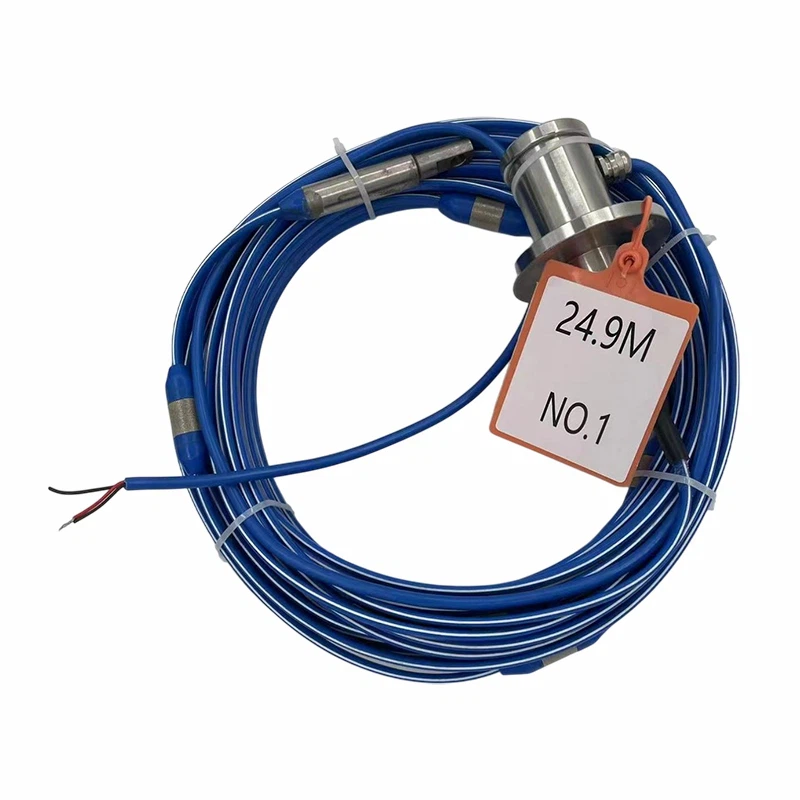
To assess the electrical performance of a cable, specialized testing equipment can be used. This includes measuring the resistance, capacitance, and insulation resistance of the cable. If the measured values deviate significantly from the specifications provided by the manufacturer, it indicates that the cable's performance has degraded, and reuse may not be practical.
Conditions for Successful Reuse
If a moisture cable meets certain conditions, it can be safely reused.
Minimal Physical Damage
A cable with only minor physical damage, such as a small scratch on the outer insulation that does not expose the internal conductors, may still be reusable. In such cases, the damage can often be repaired by applying a suitable insulating tape or using a cable repair kit. However, it is essential to thoroughly inspect the cable for any hidden damage before reuse.
No Chemical Contamination
If the cable has not been exposed to any chemicals or has only been exposed to mild, non - corrosive substances, it is more likely to be reusable. For example, a cable used in a clean indoor environment with minimal chemical exposure can generally be reused without significant concerns.
Stable Electrical Performance
If the electrical performance of the cable, as measured by resistance, capacitance, and insulation resistance, remains within the acceptable range specified by the manufacturer, the cable can be considered for reuse. Regular calibration and testing can help ensure that the cable continues to provide accurate moisture measurements.
Reuse Procedures
If a moisture cable is deemed suitable for reuse, the following procedures should be followed:
Cleaning
Before reuse, the cable should be cleaned to remove any dirt, dust, or debris that may have accumulated on its surface. This can be done using a mild detergent and a soft cloth. Avoid using abrasive materials or harsh chemicals that could damage the cable.
Inspection
A thorough visual inspection should be carried out to check for any signs of physical damage or wear. The cable should also be tested electrically to ensure that its performance is still within the acceptable range.
Calibration
Even if the cable has passed the inspection and electrical testing, it is recommended to recalibrate it before reuse. Calibration ensures that the cable provides accurate moisture measurements by comparing its electrical output to known moisture standards. This step is crucial, especially if the cable has been out of use for an extended period or has been exposed to different environmental conditions.
Benefits of Reusing Moisture Cables
Reusing moisture cables can bring several benefits. Firstly, it is cost - effective. Purchasing new cables can be expensive, especially for large - scale applications. By reusing cables that are still in good condition, customers can significantly reduce their costs.
Secondly, it is environmentally friendly. Cable production requires the use of raw materials and energy, and disposing of used cables contributes to electronic waste. Reusing cables helps to conserve resources and reduce the environmental impact of cable manufacturing and disposal.
Conclusion
In conclusion, whether a moisture cable can be reused depends on several factors, including physical damage, chemical exposure, and electrical performance degradation. While physical damage and chemical exposure can often render a cable unsuitable for reuse, cables with minimal damage and stable electrical performance can be safely reused after proper cleaning, inspection, and calibration.
As a moisture cable supplier, I am committed to providing high - quality products and guiding customers on the proper use and maintenance of our cables. If you are considering reusing your moisture cables or have any questions about our Moisture - proof Cable products, please feel free to contact us. We are happy to assist you in making the right decision and ensuring the accuracy and reliability of your moisture monitoring systems.
References
- "Handbook of Electrical and Electronic Insulating Materials" by D. A. Scanlon and R. J. T. Gleeson.
- "Moisture Measurement in Industrial Processes" by M. J. Beck and B. W. Webb.
- Manufacturer's specifications and technical documentation for moisture cables.