

As a seasoned supplier of moisture - proof cables, I often encounter inquiries about the tensile strength of these essential components. Tensile strength is a critical property that determines the cable's ability to withstand pulling forces without breaking, making it a vital consideration for various applications. In this blog post, I'll delve into what the tensile strength of moisture - proof cables is, why it matters, and how it impacts different industries.

Understanding Tensile Strength
Tensile strength is defined as the maximum amount of tensile (pulling) stress that a material can withstand before it fails or breaks. For moisture - proof cables, this property is crucial because they are frequently subjected to pulling forces during installation, maintenance, and normal operation. When a cable is pulled, whether it's being strung across a long distance or maneuvered around obstacles, it experiences tension. If the cable's tensile strength is insufficient, it can snap, leading to service disruptions, safety hazards, and costly repairs.
The tensile strength of a moisture - proof cable is typically measured in pounds per square inch (psi) or newtons per square millimeter (N/mm²). This measurement represents the force required to break a cross - sectional area of the cable. For example, if a cable has a tensile strength of 1000 psi, it means that it can withstand a pulling force of 1000 pounds per square inch of its cross - sectional area before breaking.
Factors Affecting Tensile Strength
Several factors influence the tensile strength of moisture - proof cables.
Cable Construction
The way a cable is constructed plays a significant role in its tensile strength. Cables with multiple layers of insulation and shielding, for instance, tend to have higher tensile strength than single - layer cables. The materials used in the construction also matter. High - quality conductors, such as copper or aluminum, provide better strength and conductivity. Additionally, the type of jacket material can impact the cable's ability to withstand tension. For example, cables with a tough, abrasion - resistant outer jacket are more likely to have higher tensile strength.
Conductor Size
The size of the conductor within the cable is another important factor. Larger conductors generally have higher tensile strength because they have more material to resist pulling forces. However, larger conductors also increase the cable's weight and cost. Therefore, it's essential to strike a balance between conductor size and the specific requirements of the application.
Environmental Conditions
Moisture - proof cables are designed to operate in various environmental conditions, and these conditions can affect their tensile strength. Extreme temperatures, for example, can cause the materials in the cable to expand or contract, which may weaken the cable over time. High humidity can also lead to corrosion of the conductors, reducing their strength. That's why it's crucial to choose moisture - proof cables that are specifically designed to withstand the environmental conditions of the intended application.
Importance of Tensile Strength in Different Industries
Telecommunications
In the telecommunications industry, moisture - proof cables are used to transmit data over long distances. These cables are often installed in challenging environments, such as underground ducts or aerial poles. High tensile strength is essential to ensure that the cables can be installed without breaking and can withstand the forces exerted during normal operation. For example, when cables are pulled through ducts, they need to be strong enough to resist the friction and pulling forces. A cable with insufficient tensile strength could break during installation, causing delays and additional costs.
Agriculture
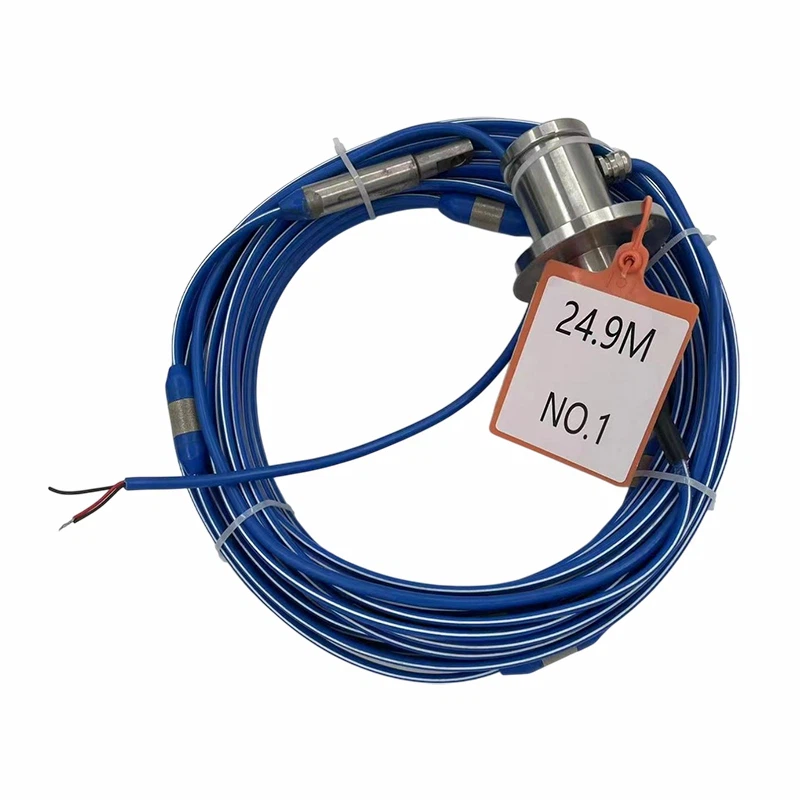
The agricultural industry also relies on moisture - proof cables for various applications. For example, Grain Moisture Cable is used to measure the moisture content of grains in storage silos. These cables need to have adequate tensile strength to be installed and maintained within the silos. They may be pulled up and down to different levels in the silo, and a cable with low tensile strength could break, leading to inaccurate moisture readings and potential spoilage of the grains.
Industrial Automation
In industrial automation, moisture - proof cables are used to connect sensors, actuators, and other devices. These cables are often subjected to repeated bending, pulling, and vibration. High tensile strength ensures that the cables can withstand these mechanical stresses without failing. For example, Dedicated Temperature And Humidity Sensor Cable For Grain Silos needs to be strong enough to maintain a reliable connection between the sensors and the control systems, even in harsh industrial environments.
Measuring Tensile Strength
To ensure that moisture - proof cables meet the required tensile strength standards, manufacturers conduct various tests. One common test is the tensile test, which involves applying a gradually increasing pulling force to a sample of the cable until it breaks. The maximum force applied before the cable breaks is recorded as the tensile strength.
Another test is the bend test, which measures the cable's ability to withstand repeated bending without breaking. This test is particularly important for cables that are used in applications where they will be bent or flexed regularly.
Choosing the Right Moisture - Proof Cable Based on Tensile Strength
When selecting a moisture - proof cable, it's essential to consider the specific tensile strength requirements of the application. Here are some steps to help you make the right choice:
- Determine the Application Requirements: Consider the installation method, the environmental conditions, and the expected pulling forces. For example, if the cable will be installed underground, it may need to have a higher tensile strength to withstand the forces during installation.
- Check the Manufacturer's Specifications: Reputable manufacturers provide detailed specifications for their cables, including the tensile strength. Make sure to review these specifications carefully and choose a cable that meets or exceeds the requirements of the application.
- Consider Future Expansion: If there is a possibility of future expansion or changes in the application, it's a good idea to choose a cable with a slightly higher tensile strength than currently required. This will provide some margin for error and ensure that the cable can handle any additional forces that may be encountered.
Related Products and Their Tensile Strength Considerations
In addition to the cables mentioned above, Temperature and Moisture Thermometer Rod is another product that may be used in conjunction with moisture - proof cables. These rods are often used to measure temperature and moisture levels in various environments. While they may not have the same tensile strength requirements as cables, they still need to be able to withstand some degree of handling and environmental conditions. For example, if the rod is inserted into a silo or a duct, it should be strong enough to resist bending or breaking.
Conclusion
The tensile strength of moisture - proof cables is a critical property that can significantly impact their performance and reliability. Understanding the factors that affect tensile strength and choosing the right cable for the specific application is essential for ensuring the long - term success of any project. Whether you're in the telecommunications, agriculture, or industrial automation industry, high - quality moisture - proof cables with adequate tensile strength are crucial for smooth operation.
If you're in need of moisture - proof cables for your project, I encourage you to reach out. As a supplier, I have a wide range of products to meet your specific requirements. I can provide you with detailed information about the tensile strength and other properties of our cables, as well as assist you in choosing the right solution for your application. Contact me to start a discussion about your cable needs and let's work together to find the best moisture - proof cable solution for you.
References
- ASTM International. "Standard Test Methods for Tensile Properties of Plastics." ASTM D638 - 14.
- IEEE Standards Association. "IEEE Standard for Insulated Cables Rated 1000 V and Below." IEEE 836 - 2012.
- National Electrical Manufacturers Association (NEMA). "Standards for Cables and Wires." NEMA WC 53 - 2018.