

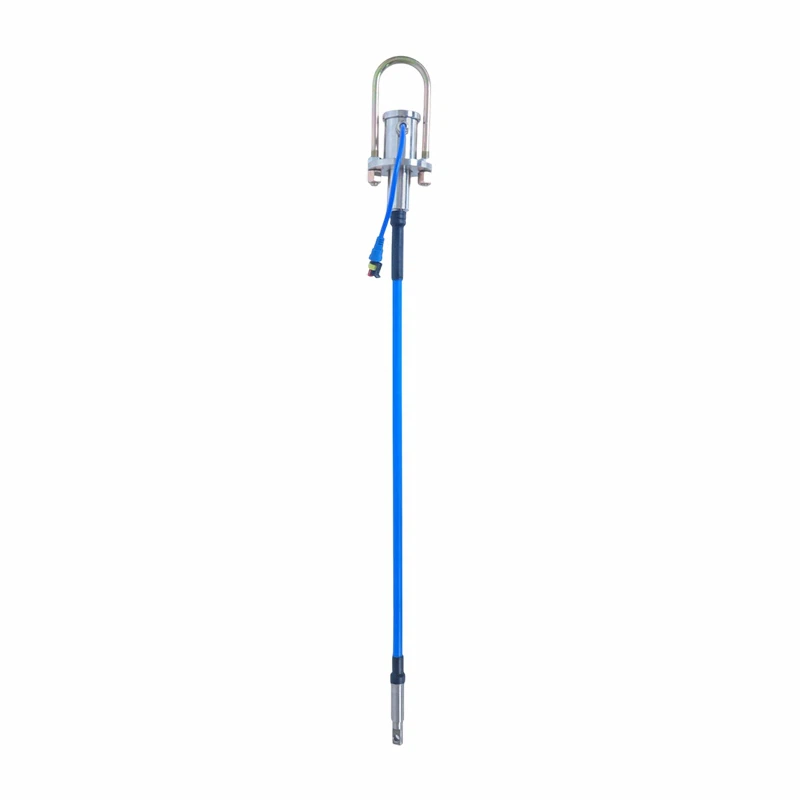
When it comes to the operation and maintenance of edible oil tanks, accurate temperature monitoring is of paramount importance. This is where our Edible Oil Tank Temperature Cable steps in as a crucial component. One question that frequently arises from our clients is, "What is the minimum bending radius of an edible oil tank temperature cable?" In this blog post, I'll delve into this topic to provide a comprehensive understanding.
Understanding the Significance of the Minimum Bending Radius
The minimum bending radius refers to the smallest radius that a cable can be bent without causing damage to its internal structure or affecting its performance. For an edible oil tank temperature cable, maintaining the proper bending radius is essential for several reasons.
Firstly, bending the cable beyond its minimum radius can lead to mechanical stress on the conductors and insulation within the cable. This stress can cause the conductors to break or the insulation to crack, which in turn can result in electrical shorts or inaccurate temperature readings. In an edible oil tank environment, where precise temperature control is necessary to prevent oil degradation and ensure product quality, any inaccuracies in temperature measurement can have serious consequences.
Secondly, a cable bent too tightly may experience increased resistance. This increased resistance can lead to power losses and overheating, further compromising the cable's performance and lifespan. Moreover, overheating in an edible oil tank can pose a safety hazard, as it may increase the risk of fire or explosion.
Factors Affecting the Minimum Bending Radius
Several factors influence the minimum bending radius of an edible oil tank temperature cable.
Cable Construction
The internal structure of the cable plays a significant role in determining its minimum bending radius. Cables with multiple conductors, especially those with a large number of fine strands, are generally more flexible and can tolerate smaller bending radii. Additionally, the type of insulation used also affects flexibility. For example, cables with a soft, rubber-like insulation are often more bendable than those with a rigid plastic insulation.
Cable Diameter
As a general rule, the larger the diameter of the cable, the larger the minimum bending radius. This is because a larger cable has more mass and a greater cross-sectional area, which makes it more difficult to bend without causing damage. Therefore, when selecting an edible oil tank temperature cable, it's important to consider the required cable diameter based on the specific application and installation requirements.
Temperature
The operating temperature of the cable can also impact its minimum bending radius. At lower temperatures, the insulation and other materials within the cable may become more brittle, reducing the cable's flexibility and increasing the minimum bending radius. Conversely, at higher temperatures, the materials may become more pliable, allowing for a smaller minimum bending radius. However, it's important to note that extreme temperatures can also have a negative impact on the cable's performance and lifespan, so proper temperature management is crucial.
Determining the Minimum Bending Radius for Our Edible Oil Tank Temperature Cable
As a leading supplier of Edible Oil Tank Temperature Cables, we have conducted extensive research and testing to determine the minimum bending radius for our products. Our cables are designed to meet the highest industry standards and are engineered to provide reliable performance in a variety of applications.
Typically, the minimum bending radius for our edible oil tank temperature cables ranges from 5 to 10 times the outer diameter of the cable. However, this can vary depending on the specific cable model and construction. For example, our Barn Sensor Cable is designed with a highly flexible construction, allowing for a relatively small minimum bending radius. On the other hand, our Grain Depot Interchangeable Core Digital Temperature Measurement Cable, which is built for durability and long-term use, may have a slightly larger minimum bending radius.
It's important to note that these are general guidelines, and the actual minimum bending radius may need to be adjusted based on the specific installation conditions. For instance, if the cable needs to be bent around sharp corners or through tight spaces, additional care should be taken to ensure that the minimum bending radius is not exceeded.
Installation Best Practices
To ensure the proper installation and performance of our edible oil tank temperature cables, we recommend the following best practices:
Plan the Installation
Before installing the cable, carefully plan the routing to avoid sharp bends and tight turns. Use cable trays, conduits, or other support structures to guide the cable and maintain a consistent bending radius.

Use Proper Tools
When bending the cable, use appropriate tools such as cable benders or bending jigs to ensure a smooth and even bend. Avoid using excessive force or sharp objects that could damage the cable.
Inspect the Cable
Before and after installation, inspect the cable for any signs of damage, such as cuts, abrasions, or kinks. If any damage is detected, replace the cable immediately to prevent performance issues.
Other Considerations for Edible Oil Tank Temperature Cables
In addition to the minimum bending radius, there are other important considerations when selecting and using an edible oil tank temperature cable.
Accuracy and Precision
Accurate temperature measurement is crucial in an edible oil tank. Therefore, it's important to choose a cable that offers high accuracy and precision. Our cables are calibrated to provide reliable temperature readings within a narrow tolerance range, ensuring that you can monitor the temperature of your edible oil tank with confidence.
Chemical Resistance
Edible oil tanks may contain various chemicals and additives that can potentially damage the cable. Therefore, it's important to select a cable with a high level of chemical resistance. Our cables are designed to withstand exposure to a wide range of chemicals commonly found in edible oil tanks, ensuring long-term performance and reliability.
Compatibility
When installing an edible oil tank temperature cable, it's important to ensure compatibility with the existing monitoring system. Our cables are designed to be compatible with a variety of temperature sensors and monitoring devices, making it easy to integrate them into your existing setup.
Conclusion
The minimum bending radius of an edible oil tank temperature cable is a critical factor that affects its performance, lifespan, and safety. By understanding the factors that influence the minimum bending radius and following the recommended installation best practices, you can ensure the proper functioning of your edible oil tank temperature monitoring system.
As a trusted supplier of Edible Oil Tank Temperature Cables, we are committed to providing high-quality products and exceptional customer service. If you have any questions or need further information about our cables, including the minimum bending radius, please don't hesitate to contact us. We are here to help you select the right cable for your specific application and provide guidance on installation and maintenance.
If you're interested in purchasing our Edible Oil Tank Temperature Cables or any of our other products, such as the Barn Sensor Cable, Grain Depot Interchangeable Core Digital Temperature Measurement Cable, or Modular Sensor Cable With Detachable Sensor Structure, please reach out to us for a detailed quote and to discuss your requirements. We look forward to the opportunity to work with you and help you optimize your temperature monitoring solutions.
References
- IEEE Standard for Electrical Installations on Shipboard - Part 2: Design Considerations for Cables, IEEE Std 45.2-2017
- National Electrical Code (NEC), NFPA 70
- International Electrotechnical Commission (IEC) standards related to cable installation and performance