

As a supplier of Grain Moisture Monitoring Cables, I've had the privilege of delving deep into the intricacies of these essential devices. In this blog, we'll explore the power sources that make Grain Moisture Monitoring Cables function effectively, a topic crucial for anyone involved in grain storage and management.
Understanding Grain Moisture Monitoring Cables
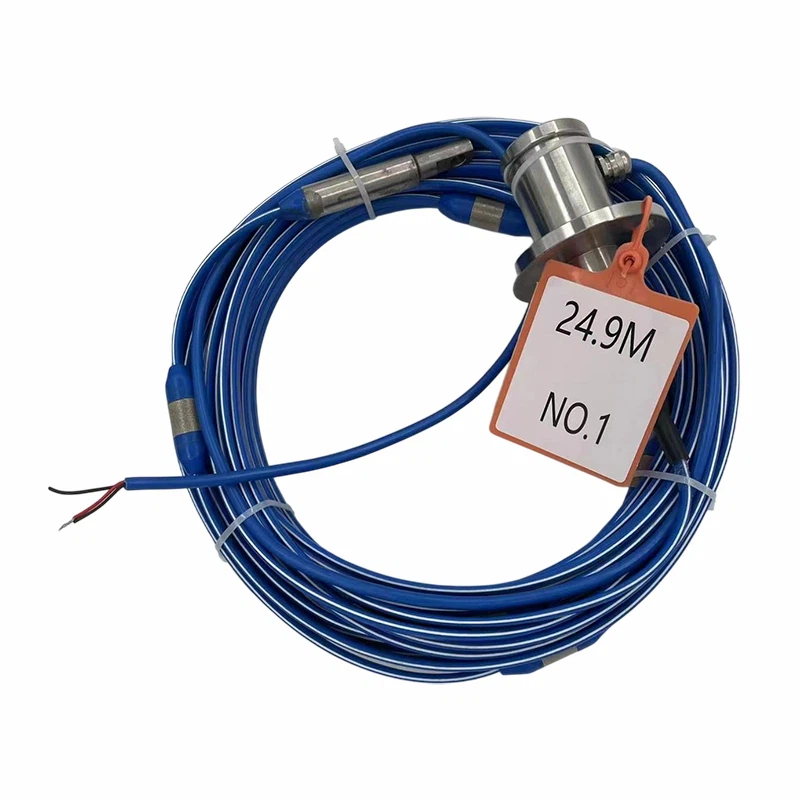
Before we dive into the power sources, let's briefly understand what Grain Moisture Monitoring Cables are. These cables are designed to measure the moisture content of grains stored in silos, warehouses, or other storage facilities. By providing real - time data on moisture levels, they help prevent spoilage, mold growth, and other issues that can lead to significant losses in the grain industry.
There are different types of Grain Moisture Monitoring Cables available in the market. For instance, the Grain Condition Monitoring Cable is a comprehensive solution that not only monitors moisture but also other grain conditions. The Moisture - proof Cable is specifically designed to withstand harsh environmental conditions and ensure accurate moisture measurement. And the Steel Silo Temperature And Humidity Measurement Cable is ideal for steel silos, providing accurate temperature and humidity data along with moisture levels.
Power Sources for Grain Moisture Monitoring Cables
Battery - Powered Systems
One of the most common power sources for Grain Moisture Monitoring Cables is batteries. Batteries offer several advantages in this context. Firstly, they provide a portable and independent power solution. This is particularly useful in remote grain storage facilities where access to a continuous electrical grid may be limited. For example, in rural areas where silos are located far from power lines, battery - powered monitoring cables can be easily installed and operated.
Batteries also offer flexibility in terms of installation. They can be placed in various locations within the storage facility, allowing for optimal placement of the monitoring cables. This flexibility ensures that the cables can reach all areas of the grain storage, providing comprehensive moisture data.
However, battery - powered systems also have some limitations. The lifespan of the batteries is a concern. Depending on the type of battery and the frequency of data collection, batteries may need to be replaced or recharged regularly. This can add to the operational costs and maintenance requirements of the monitoring system. Additionally, extreme temperatures can affect the performance of batteries, reducing their efficiency and lifespan.
Solar - Powered Systems
Solar power is an increasingly popular power source for Grain Moisture Monitoring Cables. Solar panels convert sunlight into electricity, which can be used to power the monitoring cables. This is an environmentally friendly and sustainable solution, especially in areas with abundant sunlight.
Solar - powered systems have several benefits. They offer a long - term and cost - effective power solution. Once the solar panels are installed, the cost of generating electricity is relatively low compared to other power sources. Solar power also reduces the reliance on non - renewable energy sources, making it a more sustainable option for the grain industry.
Moreover, solar - powered systems can be easily integrated with existing monitoring systems. They can be installed on the roof of the storage facility or in an open area near the silos, where they can receive maximum sunlight. This makes them a practical choice for both new and existing grain storage facilities.

However, solar - powered systems also have some drawbacks. They are dependent on sunlight, which means that they may not work effectively during cloudy days or at night. To overcome this issue, solar - powered systems often include a battery backup. The battery stores the excess electricity generated during the day, which can be used to power the monitoring cables when sunlight is not available. This adds to the initial cost of the system.
Grid - Powered Systems
For grain storage facilities that are located near a reliable electrical grid, grid - powered systems are a viable option. Grid - powered systems provide a continuous and stable power supply to the Grain Moisture Monitoring Cables. This ensures that the cables can operate 24/7 without any interruptions, providing real - time and accurate moisture data.
Grid - powered systems are relatively easy to install and maintain. They do not require the installation of additional power generation equipment such as batteries or solar panels. This makes them a cost - effective option in the long run, especially for large - scale grain storage facilities.
However, grid - powered systems also have some limitations. They are dependent on the availability of the electrical grid. In case of a power outage, the monitoring system may stop working, which can lead to a loss of valuable moisture data. To mitigate this risk, grid - powered systems often include an uninterruptible power supply (UPS). The UPS provides a temporary power source during a power outage, allowing the monitoring system to continue operating until the power is restored.
Choosing the Right Power Source
When choosing a power source for Grain Moisture Monitoring Cables, several factors need to be considered. The location of the grain storage facility is a crucial factor. If the facility is located in a remote area with limited access to the electrical grid, battery - powered or solar - powered systems may be the best option. On the other hand, if the facility is located near a reliable electrical grid, grid - powered systems may be more suitable.
The size of the grain storage facility also plays a role in the choice of power source. Larger facilities may require a more powerful and continuous power supply, which can be provided by grid - powered systems. Smaller facilities, on the other hand, may be able to operate effectively with battery - powered or solar - powered systems.
The budget for the monitoring system is another important factor. Battery - powered systems are generally the most affordable option in terms of initial investment, but they may have higher long - term operational costs due to battery replacement. Solar - powered systems have a higher initial cost but offer long - term cost savings. Grid - powered systems are relatively cost - effective in the long run, especially for large - scale facilities.
Importance of Power Source in Grain Management
The power source of Grain Moisture Monitoring Cables is crucial for effective grain management. Accurate and real - time moisture data is essential for making informed decisions about grain storage and handling. A reliable power source ensures that the monitoring cables can operate continuously, providing the necessary data to prevent spoilage and ensure the quality of the grains.
For example, if the moisture content of the grains is too high, it can lead to mold growth and spoilage. By monitoring the moisture levels in real - time, grain managers can take appropriate measures such as aeration or drying to reduce the moisture content and prevent spoilage. Without a reliable power source, the monitoring system may not work effectively, leading to a lack of data and potential losses.
Contact for Procurement
If you are in the market for Grain Moisture Monitoring Cables and are interested in learning more about the power sources and other features, please feel free to contact us. We are a leading supplier of high - quality Grain Moisture Monitoring Cables and can provide you with the best solutions for your grain storage needs. Our team of experts can help you choose the right power source and monitoring system based on your specific requirements.
References
- "Grain Storage and Handling" by the American Society of Agricultural and Biological Engineers.
- "Principles of Grain Storage" by the International Grain Storage Co - operative.
- Industry reports on grain moisture monitoring technology.