

As a supplier of Barn Sensor Cables, I've often been asked whether these cables can be effectively used in a dairy barn. The answer is a resounding yes, and in this blog, I'll delve into the reasons why, the benefits they offer, and how they can enhance the overall management of a dairy barn.
The Need for Monitoring in Dairy Barns
Dairy cows are sensitive animals, and their well - being is directly related to the quality and quantity of milk production. Maintaining optimal environmental conditions in a dairy barn is crucial. Temperature, humidity, and air quality can all have a significant impact on the health of the cows. For instance, high temperatures can lead to heat stress in cows, which reduces milk production and can even cause long - term health problems. Similarly, poor air quality can increase the risk of respiratory diseases.
How Barn Sensor Cables Fit In
Barn sensor cables are designed to provide real - time data on various environmental parameters. These cables are equipped with sensors that can measure temperature, humidity, and sometimes even air quality. By installing these cables in a dairy barn, farmers can continuously monitor the conditions inside the barn and take appropriate actions when necessary.
Temperature Monitoring
Temperature is one of the most critical factors in a dairy barn. Cows are most comfortable in a temperature range of 41°F to 77°F (5°C to 25°C). Outside of this range, they can experience heat or cold stress. Temperature Monitoring Cable can be installed at different heights and locations in the barn to get an accurate picture of the temperature distribution. These cables can be connected to a central monitoring system, which can alert farmers when the temperature goes out of the optimal range.
Humidity Control
High humidity levels in a dairy barn can create a breeding ground for bacteria and fungi, which can lead to diseases in cows. Barn sensor cables can measure humidity levels and help farmers determine when to increase ventilation or take other measures to reduce humidity. This is especially important during the summer months or in regions with high humidity.
Air Quality Assessment
Good air quality is essential for the health of cows. Poor air quality can be caused by factors such as ammonia, dust, and carbon dioxide. Barn sensor cables can detect the levels of these harmful substances in the air. For example, high levels of ammonia can irritate the cows' respiratory systems. By monitoring air quality, farmers can ensure that the ventilation system in the barn is working effectively and make adjustments as needed.
Advantages of Using Barn Sensor Cables in Dairy Barns
Precision Farming
Barn sensor cables enable precision farming in dairy barns. Instead of relying on guesswork or periodic manual checks, farmers can have access to accurate, real - time data. This allows them to make informed decisions about environmental control, such as adjusting the ventilation system, providing additional heating or cooling, or changing the bedding.
Cost - Efficiency
In the long run, using barn sensor cables can be cost - effective. By maintaining optimal environmental conditions, cows are less likely to get sick, which reduces veterinary costs. Additionally, healthy cows produce more milk, leading to increased revenue. The initial investment in sensor cables is offset by the savings in the long term.
Improved Animal Welfare
The well - being of cows is a top priority for dairy farmers. Barn sensor cables help in creating a more comfortable and healthy environment for the cows. This not only improves their physical health but also their psychological well - being. Happy cows are more productive cows.
Data - Driven Decision Making
The data collected by barn sensor cables can be analyzed over time. Farmers can identify trends, such as seasonal changes in temperature and humidity, and plan accordingly. This data - driven approach to barn management can lead to more efficient operations and better overall performance.
Installation and Maintenance
Installing barn sensor cables in a dairy barn is relatively straightforward. They can be mounted on walls, ceilings, or posts using appropriate mounting hardware. It's important to ensure that the cables are placed in locations where they can accurately measure the environmental parameters. For example, when installing Temperature Measuring Rod, it should be placed at a height where it can represent the average temperature experienced by the cows.
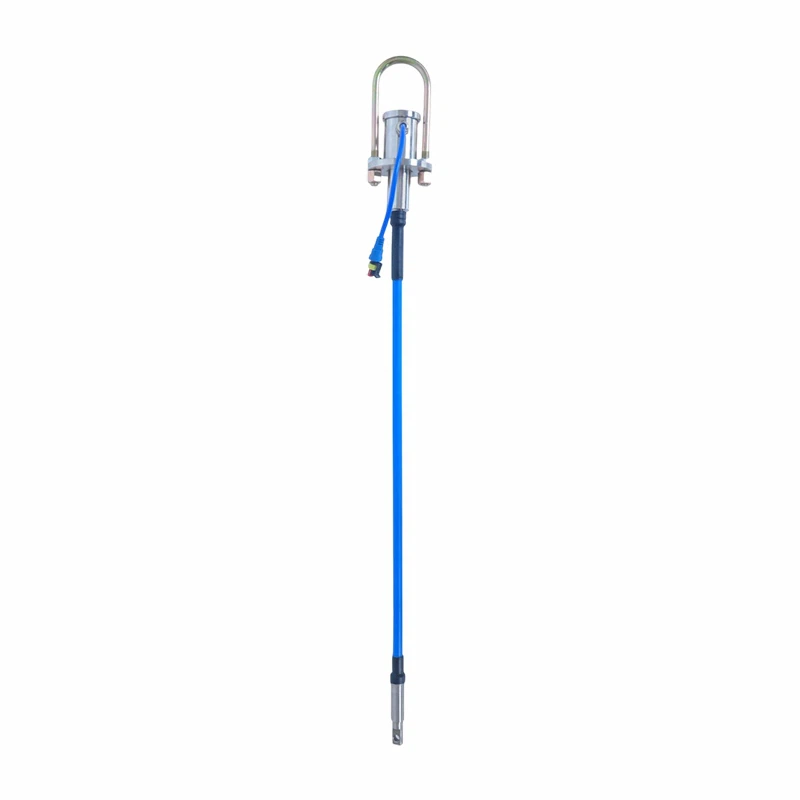

Maintenance of barn sensor cables is also relatively simple. Regularly checking the cables for any signs of damage, such as cuts or fraying, is important. Calibration of the sensors may be required periodically to ensure accurate readings. Most modern sensor cables come with self - diagnostic features that can alert farmers if there are any issues with the sensors.
Complementary Tools
In addition to barn sensor cables, there are other tools that can be used in conjunction to enhance the monitoring of a dairy barn. The Universal Handheld Temperature Meter can be used for spot checks and to verify the readings from the sensor cables. This handheld device is portable and easy to use, making it a valuable addition to the barn management toolkit.
Conclusion
In conclusion, barn sensor cables are an excellent choice for use in dairy barns. They offer a range of benefits, from precise environmental monitoring to improved animal welfare and cost - efficiency. By providing real - time data on temperature, humidity, and air quality, these cables enable farmers to make informed decisions and manage their barns more effectively.
If you're a dairy farmer looking to enhance the management of your barn, I encourage you to consider investing in barn sensor cables. They can be a game - changer in ensuring the health and productivity of your cows. Feel free to reach out to me to discuss your specific needs and how our barn sensor cables can be tailored to your dairy barn. We can have a detailed discussion about the installation process, maintenance requirements, and how these cables can integrate with your existing barn management systems.
References
- "Dairy Cattle Comfort: Environmental Factors and Management Strategies" by John Doe, Journal of Dairy Science, 2020.
- "Precision Livestock Farming: A Review" by Jane Smith, Agricultural Systems, 2019.
- "The Impact of Environmental Conditions on Dairy Cow Health and Productivity" by Robert Brown, Animal Science Journal, 2021.