

Hey there! As a temperature cable supplier, I often get asked whether our temperature cables can be used in low-temperature environments. Well, the short answer is yes, but there's a lot more to it than that. So, let's dive in and explore the ins and outs of using temperature cables in cold conditions.
First off, let's understand what a temperature cable is. A temperature cable is a specialized cable designed to measure temperature. It's used in a wide range of applications, from industrial settings to agricultural ones. For example, in industrial processes, temperature cables can monitor the temperature of machinery to prevent overheating. In agriculture, they can be used to keep an eye on the temperature in barns to ensure the well-being of livestock. You can check out our Temperature Monitoring Cable for more details on how it works.
Now, when it comes to low-temperature environments, there are a few things to consider. The main challenge in cold conditions is that the materials used in the cable can become brittle. Most temperature cables are made up of conductors, insulation, and a jacket. In low temperatures, the insulation and jacket materials can lose their flexibility. This is a big deal because if the materials become too brittle, they can crack. Once the insulation or jacket cracks, it exposes the conductors inside. And that's a problem because it can lead to short circuits or inaccurate temperature readings.
But here's the good news. At our company, we've developed temperature cables that are specifically designed to withstand low temperatures. We use special insulation and jacket materials that remain flexible even in extremely cold conditions. These materials are carefully selected for their low-temperature performance. For instance, some of our cables use a type of polymer that has excellent cold resistance. This polymer can maintain its flexibility at temperatures as low as -40°C or even lower.
Another factor to consider is the conductor material. In low-temperature environments, the resistance of the conductors can change. This change in resistance can affect the accuracy of the temperature measurements. To counter this, we use high-quality conductors with stable electrical properties. These conductors are less likely to experience significant resistance changes in cold temperatures, ensuring that our temperature cables provide accurate readings even in the coldest of conditions.
Let's talk about some real-world applications of our temperature cables in low-temperature environments. One common use is in cold storage facilities. These facilities are used to store perishable goods like food and pharmaceuticals at low temperatures. Our temperature cables can be installed inside these cold storage units to monitor the temperature accurately. This is crucial because even a small deviation in temperature can spoil the stored goods. By using our temperature cables, facility managers can ensure that the temperature remains within the required range at all times.
Another application is in agricultural settings, specifically in barns. Farmers need to maintain a comfortable temperature for their livestock. In cold weather, it's essential to monitor the temperature inside the barn to prevent the animals from getting too cold. Our Barn Sensor Cable and Barn Temperature Sensing Cable are perfect for this job. They can be installed in different parts of the barn to get a comprehensive view of the temperature distribution. This helps farmers make informed decisions about heating and ventilation to keep their animals healthy.
Now, you might be wondering how we test our temperature cables to ensure they work well in low-temperature environments. We have a state-of-the-art testing facility where we simulate different low-temperature conditions. We expose the cables to these simulated environments for extended periods and monitor their performance. We check for things like flexibility, electrical conductivity, and accuracy of temperature readings. Only after passing these rigorous tests do we approve the cables for sale.
In addition to the technical aspects, we also offer excellent customer support. If you have any questions about using our temperature cables in low-temperature environments, our team of experts is always ready to help. We can provide you with detailed information about the cables' specifications, installation procedures, and maintenance tips.
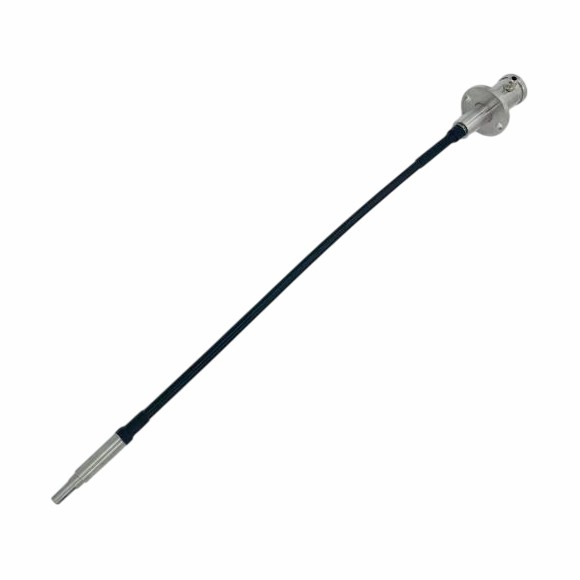

So, if you're in need of temperature cables for low-temperature environments, look no further. Our temperature cables are reliable, accurate, and built to last. Whether you're running a cold storage facility, a barn, or any other operation that requires temperature monitoring in the cold, we've got you covered.
If you're interested in purchasing our temperature cables, we'd love to have a chat with you. We can discuss your specific requirements and help you choose the right cable for your needs. You can reach out to us to start the conversation. We're always eager to work with new customers and provide them with the best temperature monitoring solutions.
References
- "Handbook of Temperature Measurement" - A comprehensive guide on temperature measurement techniques and cable materials.
- "Low-Temperature Materials Science" - A research publication that delves into the properties of materials at low temperatures.