

Can moisture - proof cables be used in railway applications?
In the complex and demanding world of railway systems, the reliability of every component is crucial for the safety and efficiency of train operations. One such component that often goes unnoticed but plays a significant role is the cable. Among various types of cables, moisture - proof cables have emerged as a potential solution for railway applications. As a supplier of Moisture - proof Cable, I will delve into the viability of using moisture - proof cables in railway settings.
The Harsh Conditions in Railway Environments
Railway systems operate in diverse and often harsh environments. Tracks can span across different geographical regions, from arid deserts to humid coastal areas. These varying climates subject cables used in railways to significant challenges. Moisture, in particular, is a persistent threat. Rain, snow, and high humidity levels can penetrate cable insulation, leading to electrical malfunctions, corrosion of conductors, and ultimately, system failures.
In addition to natural moisture sources, railway operations themselves can generate moisture - inducing conditions. For example, when trains brake, large amounts of heat are generated, which can cause condensation on nearby cables. Water from washing and cleaning operations of trains and railway infrastructure can also seep into cable installations.
Properties of Moisture - proof Cables
Moisture - proof cables are designed to withstand the ingress of water and moisture. They typically feature special insulation materials and protective jackets that act as barriers against water. Some common insulation materials used in moisture - proof cables include cross - linked polyethylene (XLPE), which has excellent water - resistant properties. The outer jackets are often made of materials like polyurethane or PVC, which provide an additional layer of protection against moisture and physical damage.
These cables also have low water absorption rates, ensuring that minimal water is absorbed into the cable structure. This is vital as absorbed water can reduce the cable's electrical conductivity and increase the risk of short - circuits. Moreover, moisture - proof cables are often resistant to corrosion, which is essential in environments where they are exposed to water and potentially corrosive substances such as salts on coastal railway lines.
Potential Applications of Moisture - proof Cables in Railways
1. Signaling Systems
Railway signaling systems are the nerve center of train operations. Ensuring their reliable operation is of utmost importance. Moisture - proof cables can be used to connect signaling devices such as traffic lights, track circuits, and control panels. By preventing moisture from interfering with the electrical signals, these cables can help maintain the accuracy and consistency of signaling, reducing the risk of train collisions and other safety hazards.
2. Communication Networks
Modern railways rely heavily on communication networks for real - time information transfer between trains, stations, and control centers. Moisture - proof cables can be used to establish high - speed data connections, including Ethernet cables for network communication and fiber optic cables for long - distance transmission. The water - resistant properties of these cables ensure that communication signals are not disrupted by moisture, enabling seamless communication even in wet conditions.
3. Power Supply Systems
Power cables are responsible for delivering electricity to various railway components, such as train engines, lighting systems, and ventilation fans. Moisture - proof power cables can prevent power outages caused by water damage to the conductors. They can also improve the overall efficiency of the power supply system by reducing energy losses due to moisture - induced electrical resistance.
Advantages of Using Moisture - proof Cables in Railways
1. Enhanced Safety
By reducing the risk of electrical malfunctions and short - circuits caused by moisture, moisture - proof cables contribute significantly to the safety of railway operations. This is especially important in situations where trains are traveling at high speeds and any failure in the electrical systems could have catastrophic consequences.
2. Reduced Maintenance Costs
Moisture - related damage to cables often requires frequent repairs and replacements, which can be costly and time - consuming. Moisture - proof cables, with their ability to resist water and corrosion, have a longer service life and require less maintenance. This can result in substantial cost savings for railway operators over the long term.
3. Improved System Reliability
Reliable cable performance is essential for the smooth operation of railway systems. Moisture - proof cables can provide consistent electrical conductivity and signal transmission, even in challenging weather conditions. This helps to minimize service disruptions and delays, improving the overall reliability of the railway network.
Challenges and Considerations
While moisture - proof cables offer many benefits for railway applications, there are also some challenges and considerations that need to be addressed.
1. Cost
Moisture - proof cables are generally more expensive than standard cables due to the use of special materials and manufacturing processes. Railway operators need to balance the upfront cost of purchasing these cables with the long - term savings in maintenance and improved system reliability.
2. Installation Requirements
Proper installation is crucial for the performance of moisture - proof cables. The cables need to be installed in a way that prevents moisture from entering the cable joints and terminations. Special installation techniques and sealants may be required, which can add to the complexity and cost of the installation process.
3. Compatibility with Existing Systems
When considering using moisture - proof cables in railway applications, it is important to ensure their compatibility with existing electrical and communication systems. The cables need to have the appropriate electrical specifications and be able to interface seamlessly with other components in the system.
Complementary Products for Railway Applications
In addition to Moisture - proof Cable, our company also offers other products that can be useful in railway environments. For example, the Silo Moisture Sensor can be used to monitor the moisture levels in storage silos for railway supplies such as coal or grain. This helps to prevent spoilage and ensure the quality of the stored materials.
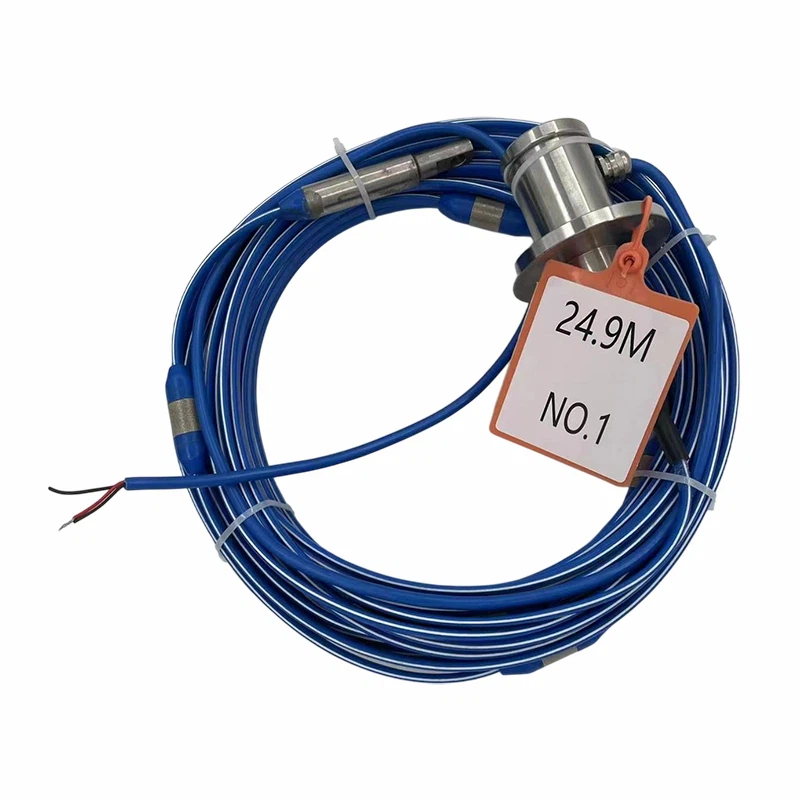

Another product is the 🌡️💧Integrated Temperature And Humidity Cable, which can provide real - time data on temperature and humidity levels along the railway tracks. This information can be used to predict and prevent moisture - related problems, such as track corrosion and ice formation in cold weather.
Contact for Procurement
If you are involved in railway infrastructure projects or maintenance and are interested in learning more about our moisture - proof cables and related products, we are here to assist you. Our team of experts can provide detailed product information, technical support, and customized solutions to meet your specific needs. Please reach out to us for a procurement discussion, and let's work together to enhance the reliability and safety of your railway systems.
References
- Smith, J. (2020). Railway Engineering: Principles and Practice. London: Elsevier.
- Brown, A. (2019). Electrical Cables: Design, Installation, and Maintenance. New York: McGraw - Hill.
- White, R. (2018). Handbook of Moisture - Resistant Materials. Cambridge: Cambridge University Press.