

As a supplier of Grain Moisture Monitoring Cables, I often encounter inquiries from customers about the installation environment requirements for these cables. This topic is crucial as the proper installation environment can significantly affect the performance and longevity of the cables. In this blog, I'll delve into whether a Grain Moisture Monitoring Cable requires a special installation environment.
Understanding Grain Moisture Monitoring Cables
Before discussing the installation environment, it's essential to understand what Grain Moisture Monitoring Cables are. These cables are designed to measure the moisture content in grains accurately. They play a vital role in the grain storage industry, helping to prevent spoilage and ensure the quality of stored grains. The Grain Moisture Monitoring Cable typically consists of sensors that are sensitive to moisture changes. When installed in a grain storage facility, these sensors can provide real - time data on the moisture levels at different depths within the grain mass.
General Installation Considerations
The installation of a Grain Moisture Monitoring Cable is not overly complex, but there are some general considerations. Firstly, the cable should be installed in a way that allows it to come into direct contact with the grains. This ensures accurate moisture readings. It is usually recommended to install the cable vertically through the grain pile, so that it can cover different layers of the grains.
Special Installation Environments
Temperature
Temperature can have a significant impact on the performance of a Grain Moisture Monitoring Cable. Extreme temperatures can cause the cable materials to expand or contract, which may affect the accuracy of the sensors. In very cold environments, the moisture in the grains may freeze, and the cable's sensors may not function properly. On the other hand, in extremely hot environments, the cable may be at risk of overheating, which can also damage the sensors.
Most Grain Moisture Monitoring Cables are designed to operate within a certain temperature range. For example, a typical cable may be rated to work between -20°C and 60°C. If the storage environment has temperatures outside this range, special measures need to be taken. Insulation can be used to protect the cable in cold environments, while proper ventilation may be required in hot environments.
Humidity
Humidity is another critical factor. High humidity in the storage environment can lead to moisture accumulation on the cable, which may cause short - circuits or corrosion. The Moisture - proof Cable is often used in high - humidity environments to prevent these issues. These cables are specially designed with moisture - resistant materials to protect the internal sensors.
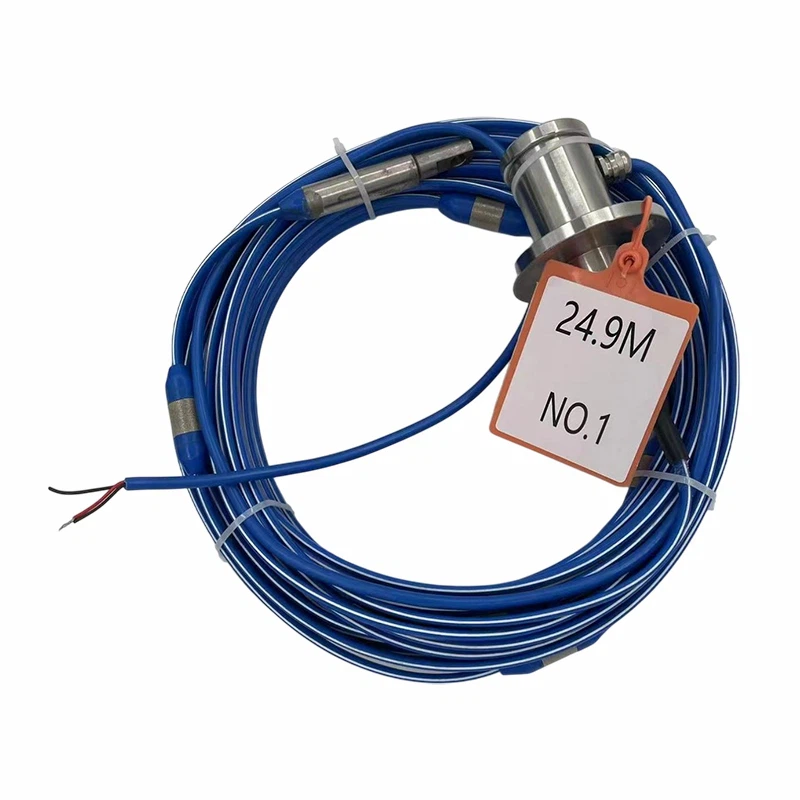

In addition, the humidity of the grains themselves can also affect the cable. If the grains have a very high moisture content, there is a greater risk of mold growth around the cable, which can damage the cable over time. Therefore, it is important to ensure that the grains are within an acceptable moisture range before installing the cable.
Dust and Particles
Grain storage facilities often have a significant amount of dust and particles in the air. These can accumulate on the cable and sensors, which may interfere with the moisture readings. To prevent this, the cable should be installed in a way that minimizes its exposure to dust. For example, it can be installed inside a protective tube or casing. The Grain Storage Environment Monitoring Cable is designed to be more resistant to dust and particles, but additional protection may still be necessary in some cases.
Chemicals and Corrosive Substances
In some grain storage facilities, there may be chemicals or corrosive substances present. For example, pesticides or cleaning agents can be used in the storage area. These substances can damage the cable if they come into contact with it. Therefore, if the storage environment contains such substances, it is important to choose a cable that is resistant to corrosion. Special coatings or materials can be used to protect the cable from chemical damage.
Impact of Improper Installation Environments
If a Grain Moisture Monitoring Cable is installed in an improper environment, several problems can occur. Firstly, the accuracy of the moisture readings may be affected. This can lead to incorrect decisions regarding grain storage management, such as improper ventilation or incorrect drying procedures.
Secondly, the lifespan of the cable may be significantly reduced. Components of the cable, such as the sensors and the insulation, may be damaged more quickly in an unsuitable environment. This means that the cable will need to be replaced more frequently, which increases the overall cost of grain storage management.
Best Practices for Installation
To ensure the proper installation of a Grain Moisture Monitoring Cable, it is recommended to follow these best practices:
- Conduct a Site Assessment: Before installation, assess the storage environment for temperature, humidity, dust, and the presence of chemicals. This will help you determine if any special measures are needed.
- Choose the Right Cable: Based on the site assessment, choose a cable that is suitable for the specific environment. For example, if the environment is very humid, choose a moisture - proof cable.
- Proper Installation Technique: Install the cable vertically through the grain pile, ensuring that it is in direct contact with the grains. Use protective measures such as insulation, ventilation, and dust covers as needed.
- Regular Maintenance: Regularly inspect the cable for any signs of damage or malfunction. Clean the cable and sensors if necessary.
Conclusion
In conclusion, a Grain Moisture Monitoring Cable does require a special installation environment to ensure its proper functioning and longevity. Temperature, humidity, dust, and the presence of chemicals all need to be considered. By understanding these factors and following the best practices for installation, you can ensure accurate moisture readings and a longer lifespan for your cable.
If you are interested in purchasing Grain Moisture Monitoring Cables or have any questions about their installation and use, please feel free to contact us. We are a professional supplier with extensive experience in providing high - quality cables for the grain storage industry. Our team of experts can offer you personalized solutions based on your specific needs.
References
- "Grain Storage and Handling Handbook", published by the American Society of Agricultural and Biological Engineers.
- Technical specifications of Grain Moisture Monitoring Cables provided by various manufacturers.