

In the realm of edible oil storage, maintaining accurate temperature monitoring is crucial for ensuring the quality and safety of the product. As a leading supplier of Edible Oil Tank Temperature Cables, I've witnessed firsthand how various factors can influence temperature readings. One such factor that often goes overlooked is the oil level in the tank. In this blog post, I'll delve into how the oil level in a tank affects the reading of an edible oil tank temperature cable and why it's essential to understand this relationship.
Understanding the Basics of Edible Oil Tank Temperature Cables
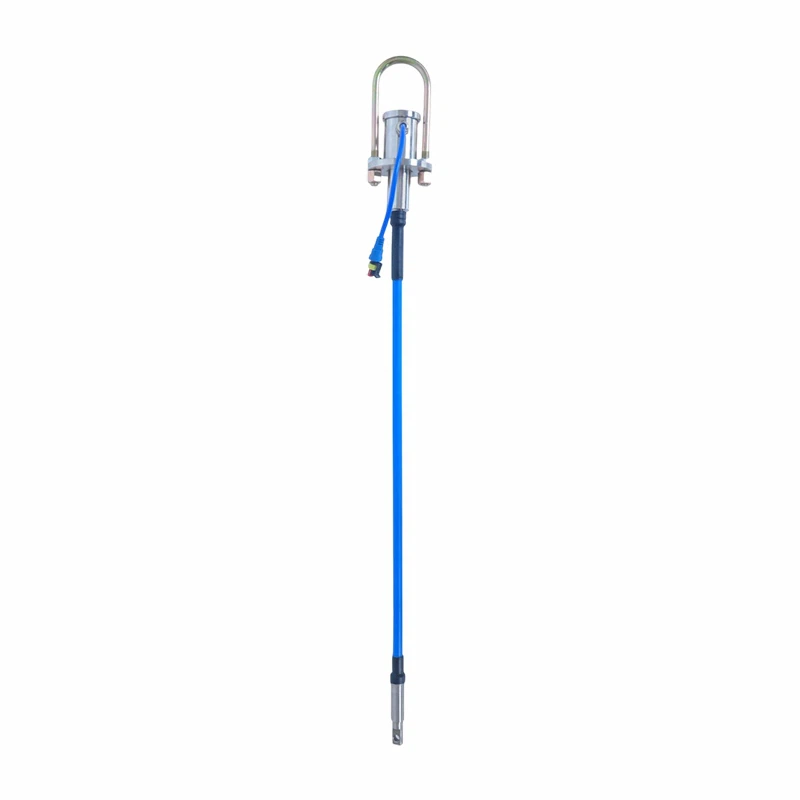
Before we explore the impact of oil level on temperature readings, let's first understand how edible oil tank temperature cables work. These cables are designed to measure the temperature at different depths within the oil tank. They typically consist of multiple temperature sensors strategically placed along the length of the cable, allowing for a detailed temperature profile of the tank.
The data collected by these sensors is then transmitted to a monitoring system, where it can be analyzed to ensure that the oil is stored at the optimal temperature. Maintaining the right temperature is critical for preventing oxidation, microbial growth, and other issues that can degrade the quality of the oil.
The Influence of Oil Level on Heat Transfer
The oil level in a tank plays a significant role in heat transfer, which in turn affects the temperature readings of the cable. Heat transfer occurs through three main mechanisms: conduction, convection, and radiation. In an oil tank, conduction and convection are the primary modes of heat transfer.
- Conduction: Conduction is the transfer of heat through a material without any movement of the material itself. In an oil tank, heat is conducted from the tank walls to the oil and from the oil to the temperature sensors on the cable. When the oil level is low, there is less oil to conduct heat, which can result in a slower rate of heat transfer. As a result, the temperature sensors may not accurately reflect the overall temperature of the tank.
- Convection: Convection is the transfer of heat through the movement of a fluid. In an oil tank, convection currents are created as the oil is heated and rises, and then cools and sinks. These currents help to distribute heat evenly throughout the tank. When the oil level is low, the convection currents may be weaker, leading to uneven temperature distribution. This can cause the temperature sensors to read different temperatures at different depths, making it difficult to obtain an accurate overall temperature reading.
Impact on Temperature Readings at Different Oil Levels
Let's take a closer look at how the oil level affects temperature readings at different stages:

- Full Tank: When the tank is full, the oil provides a large mass for heat transfer. The convection currents are strong, and the temperature is more evenly distributed throughout the tank. As a result, the temperature sensors on the cable are more likely to provide an accurate reading of the overall tank temperature.
- Half-Full Tank: At a half-full level, the heat transfer dynamics change. The reduced oil volume means that there is less mass to conduct and convect heat. This can lead to a temperature gradient within the tank, with the upper layers of oil being warmer than the lower layers. The temperature sensors on the cable may read different temperatures depending on their position, making it challenging to determine the average temperature of the oil.
- Low Oil Level: When the oil level is low, the heat transfer is significantly reduced. The convection currents are weak, and the temperature distribution becomes highly uneven. The temperature sensors may be exposed to air pockets or areas with stagnant oil, which can lead to inaccurate readings. In some cases, the sensors may even read the temperature of the tank walls rather than the oil itself.
Strategies for Accurate Temperature Monitoring at Different Oil Levels
To ensure accurate temperature monitoring regardless of the oil level, it's important to take the following steps:
- Proper Sensor Placement: Place the temperature sensors at multiple depths within the tank to capture the temperature profile. This will help to account for any temperature gradients that may occur due to changes in the oil level.
- Regular Calibration: Calibrate the temperature sensors regularly to ensure their accuracy. This is especially important when the oil level changes, as the heat transfer dynamics can vary significantly.
- Use of Multiple Sensors: Consider using multiple temperature cables or sensors to cross-verify the readings. This can help to identify any inconsistencies and provide a more reliable temperature measurement.
- Monitoring System Adjustments: Adjust the monitoring system settings to account for the oil level. Some monitoring systems allow for the configuration of different temperature thresholds based on the oil level, which can help to ensure that the oil is stored at the optimal temperature.
Our Product Offerings for Edible Oil Tank Temperature Monitoring
As a supplier of Edible Oil Tank Temperature Cables, we offer a range of products designed to meet the specific needs of the edible oil industry. Our cables are made from high-quality materials that are resistant to corrosion and can withstand the harsh environment of an oil tank.
- Heavy-Duty Temperature And Humidity Sensing Cable: This cable is designed for use in demanding applications where accurate temperature and humidity monitoring is required. It features multiple temperature sensors and a humidity sensor, providing a comprehensive view of the tank environment.
- Temperature Measuring Rod: Our temperature measuring rod is a simple and cost-effective solution for measuring the temperature at a single point within the tank. It is easy to install and provides accurate temperature readings.
- Grain Storage Temperature Cable (Two-Wire Type): While primarily designed for grain storage, this cable can also be used in edible oil tanks. It features a two-wire design, which simplifies installation and reduces the cost of the monitoring system.
Conclusion
The oil level in a tank has a significant impact on the reading of an edible oil tank temperature cable. Understanding this relationship is crucial for ensuring accurate temperature monitoring and maintaining the quality of the oil. By following the strategies outlined in this blog post and using our high-quality temperature monitoring products, you can ensure that your edible oil is stored at the optimal temperature, regardless of the oil level.
If you're interested in learning more about our Edible Oil Tank Temperature Cables or would like to discuss your specific temperature monitoring needs, please don't hesitate to contact us. We're here to help you find the best solution for your business.
References
- Incropera, F. P., & DeWitt, D. P. (2002). Fundamentals of Heat and Mass Transfer. Wiley.
- Holman, J. P. (2002). Heat Transfer. McGraw-Hill.
- ASHRAE Handbook: Fundamentals. (2017). American Society of Heating, Refrigerating and Air-Conditioning Engineers.