

When it comes to safeguarding your valuable stored materials in silos, choosing the right silo temperature monitoring cable is of paramount importance. As a trusted supplier of Silo Temperature Monitoring Cables, I understand the critical role these cables play in ensuring the integrity and safety of your stored goods. In this blog post, I'll share some essential insights to help you make an informed decision.
Understanding the Importance of Silo Temperature Monitoring
Silos are used to store a wide range of materials, including grains, cement, chemicals, and more. Maintaining the right temperature within these silos is crucial to prevent spoilage, degradation, and potential safety hazards. Temperature variations can lead to the growth of mold, fungi, and bacteria, which can compromise the quality of the stored materials. Moreover, excessive heat can cause chemical reactions, leading to explosions or fires in extreme cases.
A reliable silo temperature monitoring system, equipped with the right temperature monitoring cable, allows you to continuously monitor the temperature at various points inside the silo. This real - time data enables you to detect any abnormal temperature changes early on and take proactive measures to address the issue before it escalates.
Factors to Consider When Choosing a Silo Temperature Monitoring Cable
1. Temperature Range
The first and most obvious factor to consider is the temperature range that the cable can withstand. Different materials stored in silos require different temperature monitoring ranges. For example, grains typically need to be stored at relatively low temperatures, usually between 10°C - 20°C, while some industrial chemicals may be stored at much higher temperatures. Make sure the cable you choose has a temperature rating that can cover the expected temperature range in your silo. Our Silo Temperature Monitoring Cables are designed to operate effectively across a wide range of temperatures, ensuring accurate and reliable monitoring in diverse storage conditions.
2. Accuracy
Accuracy is another critical factor. Even a small error in temperature measurement can lead to incorrect decisions. High - accuracy cables can provide precise temperature readings, allowing you to make informed decisions about the storage conditions. Look for cables that have been calibrated to industry standards. Our cables are manufactured with high - precision sensors and undergo rigorous calibration processes to ensure accurate temperature measurements.
3. Durability
Silos can be harsh environments. The cables are often exposed to dust, moisture, and mechanical stress. Therefore, durability is essential. A durable cable should be resistant to abrasion, corrosion, and damage from chemicals. Consider cables with a robust outer sheath that can protect the internal components. Our Silo Temperature Monitoring Cables are constructed with high - quality materials and a protective outer layer that can withstand the rigors of silo environments, ensuring long - term reliability.
4. Length and Flexibility
The length of the cable is important, especially for large silos. You need a cable that can reach all the areas where temperature monitoring is required. Additionally, flexibility is crucial, especially if the cable needs to be installed in complex configurations. Our cables come in various lengths and are highly flexible, making them easy to install in different silo setups.

5. Compatibility
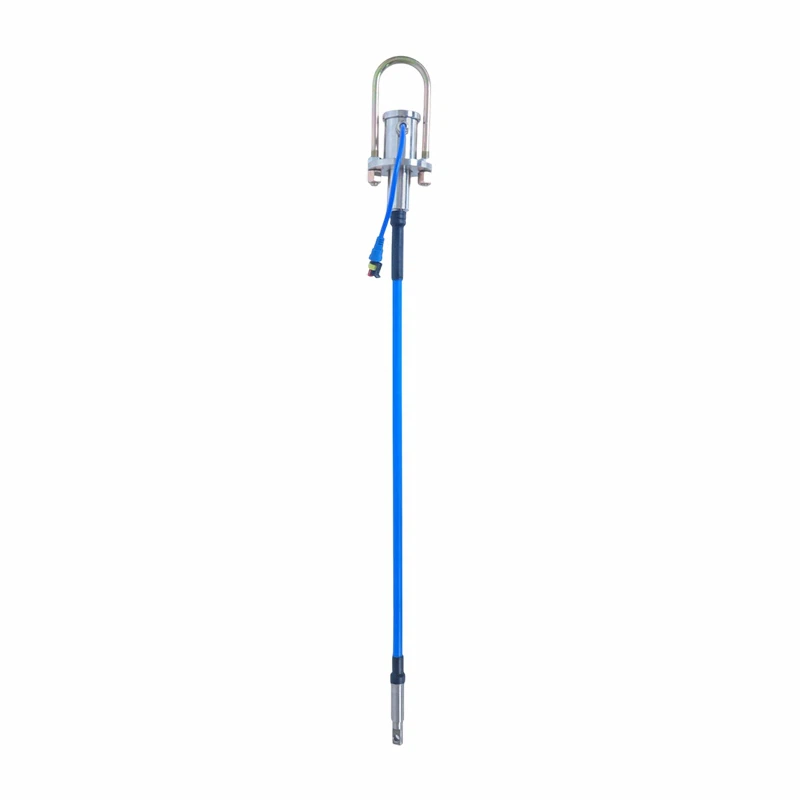
The cable should be compatible with your existing monitoring system or the system you plan to install. Ensure that the cable has the right connectors and communication protocols. Our Silo Temperature Monitoring Cables are designed to be compatible with a wide range of monitoring systems, making integration seamless.
Types of Silo Temperature Monitoring Cables
1. Resistance Temperature Detectors (RTDs)
RTDs are known for their high accuracy and stability. They work based on the principle that the electrical resistance of a metal changes with temperature. RTD cables are suitable for applications where precise temperature measurements are required. They are often used in industries where the quality of the stored materials is highly sensitive to temperature variations, such as the food and pharmaceutical industries.
2. Thermocouples
Thermocouples are more rugged and can withstand higher temperatures compared to RTDs. They generate a voltage that is proportional to the temperature difference between two junctions. Thermocouple cables are commonly used in industrial applications where high - temperature monitoring is required, such as in the cement and chemical industries.
3. Fiber Optic Cables
Fiber optic cables are a relatively new technology in temperature monitoring. They offer several advantages, including immunity to electromagnetic interference, high accuracy, and the ability to measure temperature at multiple points along the cable. Fiber optic cables are suitable for large - scale silos where distributed temperature sensing is required.
Related Products for Silo Monitoring
In addition to Silo Temperature Monitoring Cables, there are other related products that can enhance your silo monitoring system.
- Barn Temperature Sensor: These sensors can provide additional temperature data points, especially in areas where it may be difficult to install cables. They are easy to install and can be used in conjunction with our Silo Temperature Monitoring Cables for comprehensive temperature monitoring.
- Barn Sensor Cable: These cables are specifically designed for use in barns and other agricultural storage facilities. They are tailored to the unique requirements of agricultural environments, providing reliable temperature monitoring for stored grains and livestock feed.
- Thermal - Humidity Transmission Cables: In addition to temperature, humidity is also an important factor in silo storage. These cables can transmit both temperature and humidity data, allowing you to monitor both parameters simultaneously.
Installation and Maintenance
Proper installation and maintenance are key to the effective operation of your silo temperature monitoring system. During installation, make sure the cables are installed correctly and securely. Follow the manufacturer's instructions carefully. Regular maintenance is also necessary to ensure the long - term performance of the cables. Check the cables for any signs of damage, clean them regularly, and replace any worn - out components. Our team of experts can provide installation guidance and maintenance tips to help you get the most out of your Silo Temperature Monitoring Cables.
Conclusion
Choosing the right silo temperature monitoring cable is a crucial step in ensuring the safety and quality of your stored materials. By considering factors such as temperature range, accuracy, durability, length, and compatibility, you can select a cable that meets your specific needs. Our Silo Temperature Monitoring Cables are designed to provide high - performance, reliable, and accurate temperature monitoring in diverse silo environments.
If you are interested in learning more about our Silo Temperature Monitoring Cables or have any questions about choosing the right cable for your silo, please feel free to contact us. We are here to help you make the best decision for your storage needs.
References
- ASTM International. "Standards for Temperature Sensors and Cables."
- ISO 9001:2015. "Quality Management Systems - Requirements."
- Industry research reports on silo temperature monitoring technologies.