

As a supplier of Grain Moisture Monitoring Cables, I understand the importance of accurately interpreting the data these cables provide. In this blog post, I'll guide you through the process of making sense of the information collected by these essential tools, which are crucial for maintaining the quality of stored grains.
Understanding the Basics of Grain Moisture Monitoring
Before delving into data interpretation, it's essential to grasp the fundamentals of grain moisture monitoring. Grains are hygroscopic, meaning they absorb and release moisture depending on the surrounding environment. Maintaining the right moisture level is critical to prevent spoilage, mold growth, and insect infestation. A Grain Moisture Monitoring Cable is designed to measure the moisture content at various depths within a grain bin, providing a comprehensive view of the grain's condition.
Components of a Grain Moisture Monitoring Cable
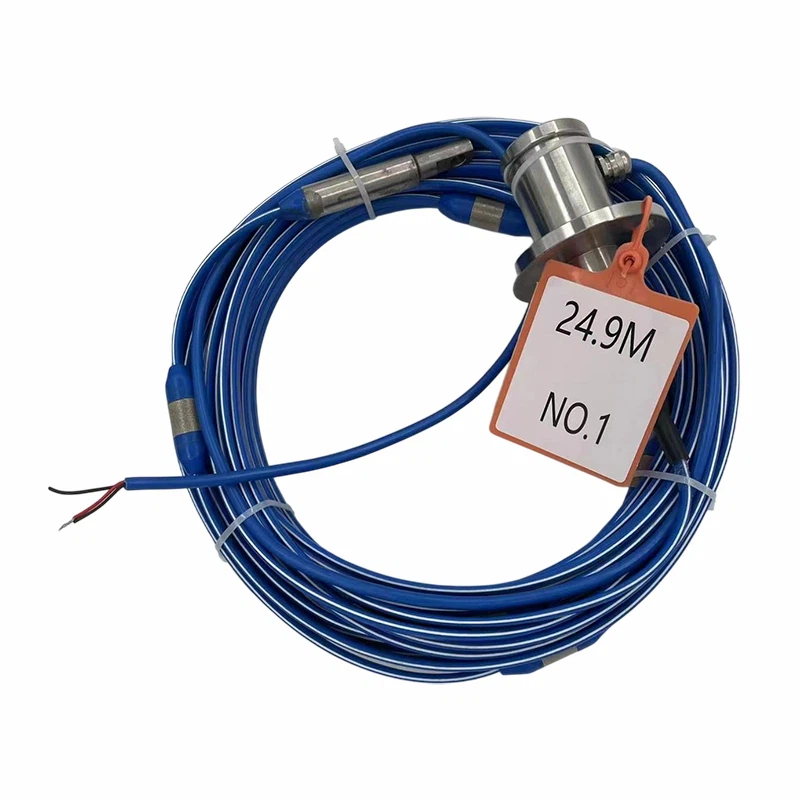
A typical Grain Moisture Monitoring Cable consists of multiple sensors placed at regular intervals along the cable. These sensors are calibrated to detect the electrical conductivity of the grain, which is directly related to its moisture content. The cable is connected to a data logger or a monitoring system that records and stores the data for analysis.
Reading the Data
When you first access the data from a Grain Moisture Monitoring Cable, you'll likely see a series of numerical values representing the moisture content at different points within the grain bin. These values are usually expressed as a percentage. To make sense of this data, you need to consider several factors:
1. Ideal Moisture Levels
Different types of grains have different ideal moisture levels for storage. For example, corn should be stored at a moisture content of around 13 - 15%, while wheat is best kept at 12 - 14%. By comparing the measured values with the ideal levels for your specific grain, you can quickly identify if the moisture content is within an acceptable range.
2. Variations in Moisture Content
It's normal to see some variation in moisture content throughout the grain bin. However, significant differences between readings at different depths or locations can indicate potential problems. For instance, a high moisture content at the bottom of the bin may suggest condensation or water infiltration, while a dry layer near the top could be due to poor ventilation.
3. Trends Over Time
Monitoring the moisture content over time is crucial for detecting any changes or trends. A gradual increase in moisture content could indicate a developing issue, such as a leak in the bin or a problem with the ventilation system. On the other hand, a sudden drop in moisture could be a sign of excessive drying or a malfunction in the monitoring equipment.
Using the Data to Make Informed Decisions
Once you've analyzed the data from the Grain Moisture Monitoring Cable, you can use this information to take appropriate action to maintain the quality of your stored grains. Here are some examples:
1. Adjusting Ventilation
If the data shows that the moisture content is too high, increasing the ventilation in the grain bin can help reduce the moisture level. Conversely, if the grains are too dry, you may need to reduce the ventilation to prevent further moisture loss.
2. Identifying and Fixing Leaks
If you notice a localized area with a consistently high moisture content, it's essential to inspect the bin for any signs of leaks. Repairing these leaks promptly can prevent further damage to the grains.
3. Rotating the Grain
In some cases, it may be necessary to rotate the grain to ensure uniform moisture distribution. This can help prevent spoilage and extend the shelf life of the grains.

The Role of Technology in Data Interpretation
Advancements in technology have made it easier than ever to interpret the data from a Grain Moisture Monitoring Cable. Many modern monitoring systems come with software that can analyze the data and provide detailed reports and alerts. These tools can help you quickly identify potential problems and take proactive measures to address them.
For more information on advanced monitoring solutions, you can visit our Smart Temperature And Humidity Controller page. This controller offers precise control over the temperature and humidity in your grain bin, ensuring optimal storage conditions.
Choosing the Right Grain Moisture Monitoring Cable
When selecting a Grain Moisture Monitoring Cable, it's important to choose a high-quality product that is reliable and accurate. As a Grain Bin Sensor Manufacturer, we offer a range of cables designed to meet the specific needs of different grain storage facilities. Our cables are made with durable materials and are resistant to moisture and corrosion, ensuring long-term performance.
The Importance of a Moisture-proof Cable
In addition to accuracy and reliability, a moisture-proof cable is essential for ensuring the longevity of your monitoring system. Moisture can damage the sensors and cables, leading to inaccurate readings and costly repairs. Our Moisture-proof Cable is specifically designed to withstand harsh environmental conditions, providing reliable performance even in wet or humid environments.
Contact Us for More Information
If you're interested in learning more about our Grain Moisture Monitoring Cables or need help interpreting the data from your existing system, please don't hesitate to contact us. Our team of experts is available to answer your questions and provide you with the support you need to ensure the success of your grain storage operation.
References
- "Grain Storage Management: A Guide for Farmers" by the USDA.
- "Principles of Grain Drying and Storage" by the American Society of Agricultural and Biological Engineers.