

In the pharmaceutical industry, maintaining the right temperature and moisture levels is crucial for the quality, safety, and efficacy of drugs. Temperature and moisture cables play a vital role in this process, enabling accurate monitoring and control of environmental conditions. However, using these cables in pharmaceuticals is subject to a series of regulatory requirements. As a temperature and moisture cables supplier, I'd like to delve into these requirements to help pharmaceutical companies understand the compliance landscape.
Regulatory Bodies and Their Roles
Several regulatory bodies are involved in setting and enforcing standards for the pharmaceutical industry, which indirectly or directly impact the use of temperature and moisture cables.
The Food and Drug Administration (FDA) in the United States is one of the most influential regulatory agencies. The FDA's Good Manufacturing Practices (GMP) regulations require pharmaceutical manufacturers to have proper systems in place to control environmental conditions during manufacturing, storage, and distribution. This includes accurate monitoring of temperature and moisture, which often relies on the use of reliable cables.
In Europe, the European Medicines Agency (EMA) and national regulatory authorities enforce similar regulations. The EMA's guidelines on Good Manufacturing Practice for Medicinal Products ensure that pharmaceutical products are of high quality and meet safety standards. Temperature and moisture monitoring are integral parts of these guidelines, as improper environmental conditions can lead to degradation of drugs.
The International Council for Harmonisation of Technical Requirements for Pharmaceuticals for Human Use (ICH) also plays a significant role. ICH develops international guidelines that aim to harmonize regulatory requirements across different regions. These guidelines cover various aspects of pharmaceutical development, including environmental control, which is closely related to the use of temperature and moisture cables.
Accuracy and Calibration Requirements
One of the primary regulatory requirements for temperature and moisture cables in pharmaceuticals is accuracy. The cables must provide precise measurements of temperature and moisture levels within the specified range. For example, the FDA requires that monitoring equipment used in pharmaceutical manufacturing has an accuracy level that is appropriate for the process being monitored.

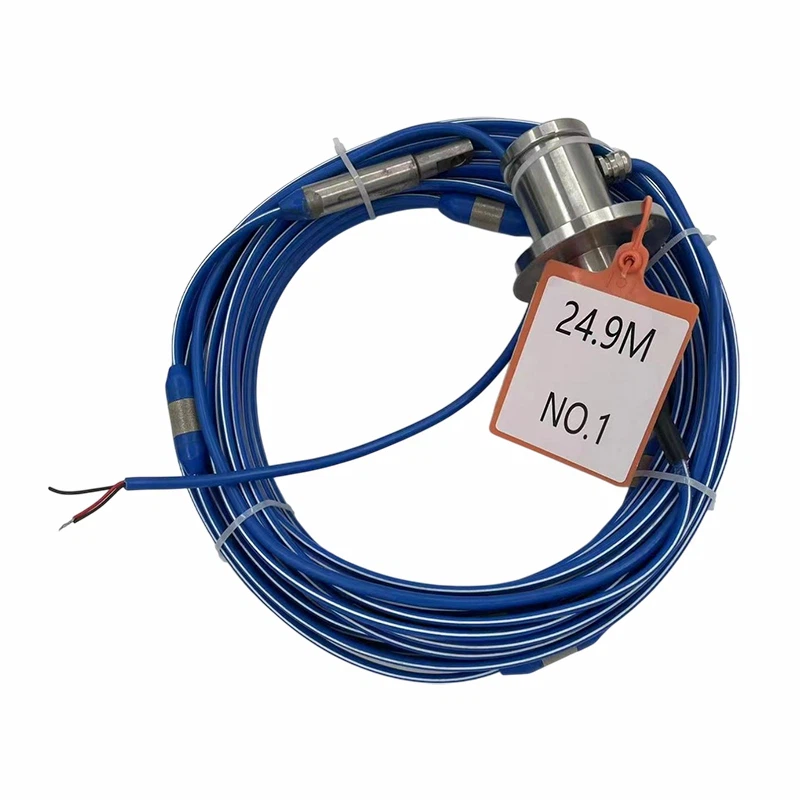
Calibration is another crucial aspect. Temperature and moisture cables need to be calibrated regularly to ensure their accuracy. Calibration involves comparing the measurements of the cable against a known standard. The frequency of calibration depends on various factors, such as the type of cable, the environment in which it is used, and the regulatory requirements. For instance, some regulatory agencies may require calibration at least once a year, while more critical applications may need more frequent calibration.
As a supplier, we understand the importance of accuracy and calibration. Our Grain Storage Moisture Control Monitoring Cable is designed to provide highly accurate measurements, and we offer calibration services to ensure that our customers' cables meet the regulatory standards.
Material Compatibility and Hygiene
In the pharmaceutical industry, the materials used in temperature and moisture cables must be compatible with the pharmaceutical environment. This means that the cables should not release any contaminants that could affect the quality of the drugs. For example, the cables should be made of materials that are resistant to corrosion, chemicals, and microbial growth.
Hygiene is also a critical consideration. The cables should be easy to clean and sanitize to prevent the accumulation of dirt, dust, and microorganisms. Some regulatory agencies require that the surfaces of the cables be smooth and non - porous to facilitate cleaning.
Our Moisture - proof Cable is made of high - quality materials that are not only moisture - resistant but also comply with the material compatibility and hygiene requirements of the pharmaceutical industry. The cable's design allows for easy cleaning, ensuring that it can be used in a cleanroom environment without compromising the quality of the drugs.
Documentation and Record - Keeping
Regulatory agencies require pharmaceutical companies to maintain detailed documentation and records related to temperature and moisture monitoring. This includes records of the installation, calibration, maintenance, and use of temperature and moisture cables. The documentation should provide evidence that the cables are functioning properly and that the environmental conditions are being monitored accurately.
For example, the FDA may request to review these records during an inspection. If the records are incomplete or inaccurate, it could lead to compliance issues and potential regulatory action. As a supplier, we can provide our customers with detailed documentation about our cables, including specifications, calibration certificates, and installation instructions, to help them meet the record - keeping requirements.
Validation and Qualification
Validation and qualification are essential processes in the pharmaceutical industry. Validation involves demonstrating that a system, process, or equipment, such as temperature and moisture cables, performs as intended and meets the specified requirements. Qualification is a part of the validation process that focuses on the installation, operation, and performance of the equipment.
Before using temperature and moisture cables in pharmaceutical applications, they need to be properly qualified. This includes installation qualification (IQ), which verifies that the cable is installed correctly; operational qualification (OQ), which tests the cable's performance under normal operating conditions; and performance qualification (PQ), which ensures that the cable can perform its intended function in the actual pharmaceutical process.
Our Grain Moisture Cable has undergone rigorous validation and qualification processes to ensure that it meets the regulatory requirements for use in the pharmaceutical industry. We can provide our customers with validation and qualification protocols to assist them in the implementation of these processes.
Impact of Regulatory Requirements on Cable Design and Manufacturing
The regulatory requirements for temperature and moisture cables in pharmaceuticals have a significant impact on their design and manufacturing. Cable manufacturers need to ensure that their products meet the accuracy, material compatibility, hygiene, and other requirements set by regulatory agencies.
For example, to meet the accuracy requirements, manufacturers may use high - precision sensors and advanced signal processing techniques. To ensure material compatibility, they may select materials that are resistant to chemicals and microbial growth. In terms of hygiene, the cables may be designed with smooth surfaces and easy - to - clean connectors.
As a supplier, we are constantly investing in research and development to improve the design and manufacturing of our temperature and moisture cables. We work closely with regulatory agencies and pharmaceutical companies to understand the latest requirements and develop products that meet or exceed these standards.
Conclusion
The regulatory requirements for using temperature and moisture cables in pharmaceuticals are complex and multifaceted. Pharmaceutical companies need to ensure that they comply with these requirements to maintain the quality, safety, and efficacy of their drugs. As a temperature and moisture cables supplier, we are committed to providing high - quality products that meet the regulatory standards.
If you are a pharmaceutical company looking for reliable temperature and moisture cables, we invite you to contact us for more information and to discuss your specific requirements. Our team of experts can provide you with detailed product information, technical support, and assistance in meeting the regulatory requirements. Let's work together to ensure the success of your pharmaceutical operations.
References
- U.S. Food and Drug Administration. Good Manufacturing Practices (GMP) for Finished Pharmaceuticals.
- European Medicines Agency. Guidelines on Good Manufacturing Practice for Medicinal Products.
- International Council for Harmonisation of Technical Requirements for Pharmaceuticals for Human Use (ICH) Guidelines.