

Hey there! As a supplier of Barn Sensor Cables, I often get asked about the attenuation rate of these cables. So, I thought I'd write this blog to share some insights on what the attenuation rate of a barn sensor cable is, why it matters, and how it can impact your operations.
First off, let's break down what attenuation means. In simple terms, attenuation is the loss of signal strength as it travels through a cable. Every cable, including our Barn Sensor Cable, experiences some level of attenuation. This is due to various factors like the resistance of the cable material, electromagnetic interference, and the length of the cable.
When it comes to barn sensor cables, the attenuation rate is super important. These cables are used to transmit data from sensors placed in different parts of the barn, such as temperature, humidity, and gas sensors. If the attenuation rate is too high, the signal can become weak by the time it reaches the monitoring system. This can lead to inaccurate readings, which can be a big problem when you're relying on this data to make decisions about the well - being of your livestock or the condition of your stored goods.
For example, let's say you have a large barn and you're using a Temperature Monitoring Cable to keep track of the temperature in different areas. If the attenuation rate is high, the temperature readings at the monitoring station might not accurately reflect the actual temperature in the far - reaches of the barn. This could mean that you miss out on early signs of overheating or cooling, which can affect the health of your animals or the quality of your stored grains.
Now, what affects the attenuation rate of a barn sensor cable? One of the main factors is the cable's construction. Cables with better insulation and higher - quality conductors tend to have lower attenuation rates. At our company, we use top - notch materials in our Grain Depot Interchangeable Core Digital Temperature Measurement Cable to minimize attenuation. Our cables are designed with a special shielding to protect the signal from external electromagnetic interference, which can also cause signal loss.
The length of the cable is another crucial factor. The longer the cable, the more the signal will attenuate. It's like a game of telephone. The further the message has to travel, the more likely it is to get distorted. That's why it's important to choose the right cable length for your specific needs. If you have a large barn, you might need to use repeaters or amplifiers to boost the signal and compensate for the attenuation.
Frequency also plays a role. Different sensors operate at different frequencies, and the attenuation rate can vary depending on the frequency of the signal being transmitted. Higher - frequency signals generally experience more attenuation than lower - frequency ones. When selecting a barn sensor cable, you need to consider the frequency requirements of your sensors to ensure that the cable can handle the signal without excessive loss.
So, how can you measure the attenuation rate of a barn sensor cable? There are a few ways. One common method is to use a network analyzer. This device sends a test signal through the cable and measures the difference in signal strength between the input and the output. By comparing these two values, you can calculate the attenuation rate in decibels per unit length (dB/m).
Another way is to use a time - domain reflectometer (TDR). This tool sends a pulse through the cable and measures the reflections. Any changes in the signal strength or the time it takes for the reflection to return can indicate the presence of attenuation or other cable issues.
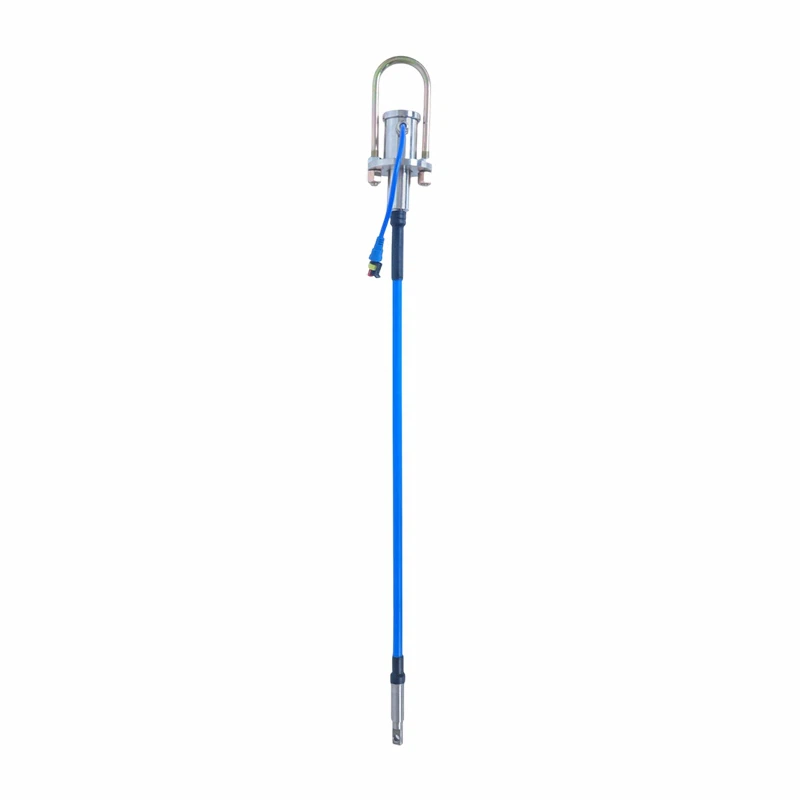

As a supplier, we understand the importance of providing cables with low attenuation rates. We conduct rigorous testing on all our cables to ensure that they meet the highest standards. Our quality control team uses state - of - the - art equipment to measure the attenuation rate and other performance parameters. We also offer technical support to help our customers choose the right cable for their needs and troubleshoot any issues related to signal attenuation.
If you're in the market for a barn sensor cable, don't just focus on the price. A cheap cable might seem like a good deal at first, but if it has a high attenuation rate, it could end up costing you more in the long run due to inaccurate data and potential equipment failures. Instead, look for a cable that offers a good balance between cost and performance.
In addition to the technical aspects, we also strive to provide excellent customer service. We know that buying a cable can be a confusing process, especially if you're not familiar with all the technical jargon. That's why our sales team is always ready to answer your questions and guide you through the selection process.
Whether you're running a small family farm or a large commercial barn, having reliable sensor cables is essential. The data you collect from your sensors can help you optimize your operations, save energy, and improve the overall productivity of your business.
If you're interested in learning more about our barn sensor cables or have any questions about attenuation rates, don't hesitate to get in touch. We'd love to have a chat with you and see how we can help you meet your specific needs. Contact us today to start a discussion about your cable requirements and take the first step towards a more efficient and reliable monitoring system.
References
- Electronics textbooks on cable theory and signal transmission
- Industry standards and guidelines for sensor cable performance