

The minimum bending radius of a temperature monitoring cable is a critical factor that significantly influences its performance, durability, and overall functionality. As a leading supplier of temperature monitoring cables, we understand the importance of this parameter and its implications for various applications. In this blog post, we will delve into the concept of the minimum bending radius, explore its significance, and provide insights into how it affects the use of our temperature monitoring cables.
Understanding the Minimum Bending Radius
The minimum bending radius refers to the smallest radius around which a cable can be bent without causing damage to its internal structure or compromising its electrical properties. When a cable is bent beyond its minimum bending radius, it can lead to several issues, including insulation damage, conductor breakage, and signal interference. These problems can result in inaccurate temperature readings, system failures, and costly downtime.
The minimum bending radius of a temperature monitoring cable is determined by several factors, including the cable's construction, materials, and design. For example, cables with a larger diameter or thicker insulation generally have a larger minimum bending radius. Additionally, the type of conductor used in the cable, such as copper or aluminum, can also affect its flexibility and minimum bending radius.
Significance of the Minimum Bending Radius
Maintaining the minimum bending radius is crucial for ensuring the reliable operation of temperature monitoring cables. By adhering to the recommended bending radius, you can prevent damage to the cable and extend its lifespan. This is particularly important in applications where the cable is subject to frequent bending or flexing, such as in industrial automation, HVAC systems, and temperature monitoring in silos.
In industrial settings, temperature monitoring cables are often installed in tight spaces or routed around obstacles. If the cable is bent too sharply, it can cause the insulation to crack or the conductors to break, leading to electrical shorts and system failures. By following the minimum bending radius guidelines, you can minimize the risk of these issues and ensure the continuous and accurate monitoring of temperature.
In HVAC systems, temperature monitoring cables are used to measure the temperature of air, water, and other fluids. These cables are typically installed in ductwork or piping, where they may be subject to bending and flexing. If the cable is bent beyond its minimum bending radius, it can affect the accuracy of the temperature readings and lead to inefficient operation of the HVAC system. By maintaining the proper bending radius, you can ensure the reliable performance of the temperature monitoring system and optimize the energy efficiency of the HVAC system.
In silo temperature monitoring applications, such as Shallow Round Silo Temperature Cable and Grain Bin Temperature Cables, the cables are often installed vertically or horizontally inside the silo. These cables need to be flexible enough to conform to the shape of the silo and withstand the movement of the stored material. If the cable is bent too sharply during installation or operation, it can cause damage to the cable and affect the accuracy of the temperature measurements. By following the minimum bending radius guidelines, you can ensure the proper installation and reliable operation of the temperature monitoring system in silos.
Factors Affecting the Minimum Bending Radius
As mentioned earlier, several factors can affect the minimum bending radius of a temperature monitoring cable. Here are some of the key factors to consider:
- Cable Construction: The construction of the cable, including the number of conductors, insulation thickness, and shielding, can influence its flexibility and minimum bending radius. Cables with a simpler construction and fewer layers of insulation are generally more flexible and have a smaller minimum bending radius.
- Conductor Material: The type of conductor material used in the cable can also affect its flexibility. Copper conductors are more flexible than aluminum conductors, which means that cables with copper conductors generally have a smaller minimum bending radius.
- Insulation Material: The insulation material used in the cable can also impact its flexibility. Some insulation materials, such as PVC and Teflon, are more flexible than others, which can result in a smaller minimum bending radius.
- Cable Diameter: The diameter of the cable is another important factor. Generally, cables with a larger diameter have a larger minimum bending radius. This is because the larger the cable, the more difficult it is to bend without causing damage to the internal structure.
Determining the Minimum Bending Radius
To determine the minimum bending radius of a temperature monitoring cable, you should refer to the manufacturer's specifications. The manufacturer will typically provide the minimum bending radius for the cable based on its construction, materials, and design. It is important to follow these specifications to ensure the proper installation and operation of the cable.

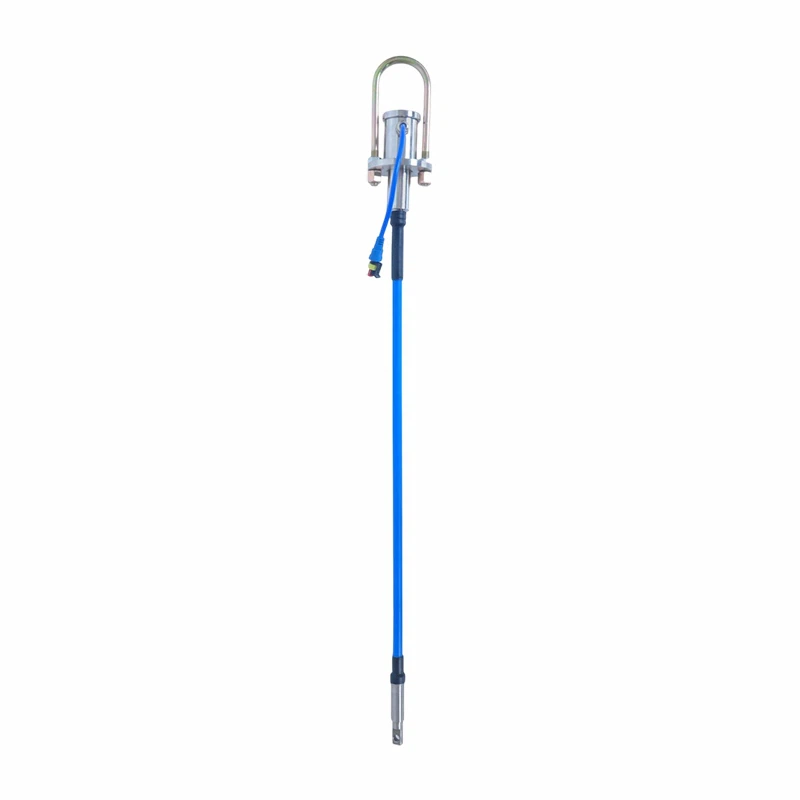
In addition to the manufacturer's specifications, you should also consider the specific application and installation requirements. For example, if the cable is going to be installed in a tight space or routed around obstacles, you may need to choose a cable with a smaller minimum bending radius. On the other hand, if the cable is going to be installed in a straight run or in an area where there is little bending or flexing, you may be able to use a cable with a larger minimum bending radius.
Tips for Maintaining the Minimum Bending Radius
Here are some tips for maintaining the minimum bending radius of temperature monitoring cables during installation and operation:
- Plan the Installation: Before installing the cable, carefully plan the route and ensure that there are no sharp bends or obstacles that could cause the cable to be bent beyond its minimum bending radius. Use cable trays, conduits, or other support structures to guide the cable and prevent it from being bent too sharply.
- Use Proper Tools: When bending the cable, use proper tools, such as cable benders or bending springs, to ensure that the cable is bent smoothly and evenly. Avoid using sharp objects or excessive force, as this can damage the cable.
- Avoid Over-Bending: During installation and operation, avoid over-bending the cable. If you need to make a bend, make sure it is within the recommended minimum bending radius. If you are unsure, consult the manufacturer's specifications or a qualified professional.
- Inspect the Cable Regularly: Regularly inspect the cable for signs of damage or wear, such as cracks in the insulation or broken conductors. If you notice any issues, replace the cable immediately to prevent further damage and ensure the reliable operation of the temperature monitoring system.
Conclusion
The minimum bending radius of a temperature monitoring cable is a critical parameter that should not be overlooked. By understanding the concept of the minimum bending radius, its significance, and the factors that affect it, you can ensure the proper installation and reliable operation of your temperature monitoring cables. As a trusted supplier of temperature monitoring cables, we offer a wide range of products with different minimum bending radii to meet the diverse needs of our customers. Whether you need a Temperature Measuring Rod, Shallow Round Silo Temperature Cable, or Grain Bin Temperature Cables, we can provide you with the right solution.
If you have any questions about the minimum bending radius of our temperature monitoring cables or need assistance with your temperature monitoring application, please do not hesitate to contact us. We are here to help you make the right choice and ensure the success of your project.
References
- Cable Installation Guidelines, Industry Standard Publications
- Temperature Monitoring Cable Manufacturer's Specifications