

As a provider of digital temperature cables, I often encounter inquiries from customers regarding the minimum temperature these cables can measure. This is a crucial question, especially for industries where precise temperature monitoring at extremely low temperatures is essential, such as in cryogenic research, cold storage, and aerospace applications. In this blog, I'll delve into the factors that determine the minimum measurable temperature of digital temperature cables and provide insights into how our products perform in these challenging conditions.
Understanding the Basics of Digital Temperature Cables
Before discussing the minimum temperature capabilities, it's important to understand how digital temperature cables work. These cables are equipped with temperature sensors that convert thermal energy into electrical signals. The sensors can be based on various technologies, such as thermocouples, resistance temperature detectors (RTDs), and thermistors. Each technology has its own characteristics, advantages, and limitations when it comes to measuring temperature.
Thermocouples are made of two different metals joined at one end. When there is a temperature difference between the junction and the other end of the wires, a voltage is generated. This voltage is proportional to the temperature difference and can be measured to determine the temperature. Thermocouples are known for their wide temperature range, fast response time, and durability.
RTDs, on the other hand, are made of a pure metal, usually platinum, whose resistance changes with temperature. By measuring the resistance of the RTD, the temperature can be calculated. RTDs offer high accuracy, stability, and repeatability, making them suitable for precise temperature measurements.
Thermistors are semiconductor devices whose resistance also changes with temperature. They have a high sensitivity to temperature changes, but their temperature range is relatively limited compared to thermocouples and RTDs.
Factors Affecting the Minimum Measurable Temperature
Several factors influence the minimum temperature that a digital temperature cable can measure. These include the type of sensor used, the materials of the cable, and the electronics associated with the sensor.
Sensor Technology
As mentioned earlier, different sensor technologies have different temperature ranges. Thermocouples can typically measure temperatures from -270°C to over 2300°C, depending on the type of thermocouple. For example, Type T thermocouples are suitable for measuring temperatures from -200°C to 350°C, while Type K thermocouples can measure from -200°C to 1372°C.
RTDs, especially platinum RTDs, are commonly used for measuring temperatures from -200°C to 850°C. They offer excellent accuracy and stability in this temperature range.
Thermistors are generally used for measuring temperatures from -50°C to 150°C, although some special types can measure down to -100°C.
Cable Materials
The materials used in the construction of the cable also play a crucial role in determining the minimum measurable temperature. At extremely low temperatures, some materials may become brittle or lose their electrical properties. For example, certain types of insulation materials may crack or become less flexible, leading to signal loss or short circuits.
Our digital temperature cables are designed with high-quality materials that can withstand low temperatures. We use special insulation materials that remain flexible and maintain their electrical properties even at very low temperatures. This ensures reliable performance and accurate temperature measurements in cold environments.
Electronics
The electronics associated with the temperature sensor, such as the signal conditioning circuit and the analog-to-digital converter, also need to be designed to operate at low temperatures. At low temperatures, the electrical characteristics of electronic components may change, affecting the accuracy and reliability of the temperature measurement.
Our digital temperature cables are equipped with advanced electronics that are specifically designed to operate in a wide temperature range. The electronics are carefully calibrated to ensure accurate temperature measurements even at the minimum measurable temperature.
Our Digital Temperature Cables and Their Minimum Temperature Capabilities
We offer a range of digital temperature cables to meet the diverse needs of our customers. Our Multi-point Temperature Monitoring Cable is designed for applications where multiple temperature points need to be monitored simultaneously. This cable can be equipped with different types of sensors, depending on the temperature range and accuracy requirements.
For applications requiring high accuracy and stability at low temperatures, our Multipoint Temperature Sensor Cable with platinum RTD sensors is an excellent choice. These cables can measure temperatures down to -200°C with high precision.
In addition, our Barn Sensor Cable is specifically designed for agricultural applications, such as monitoring the temperature in barns and cold storage facilities. This cable can measure temperatures from -40°C to 85°C, providing reliable temperature monitoring in these environments.
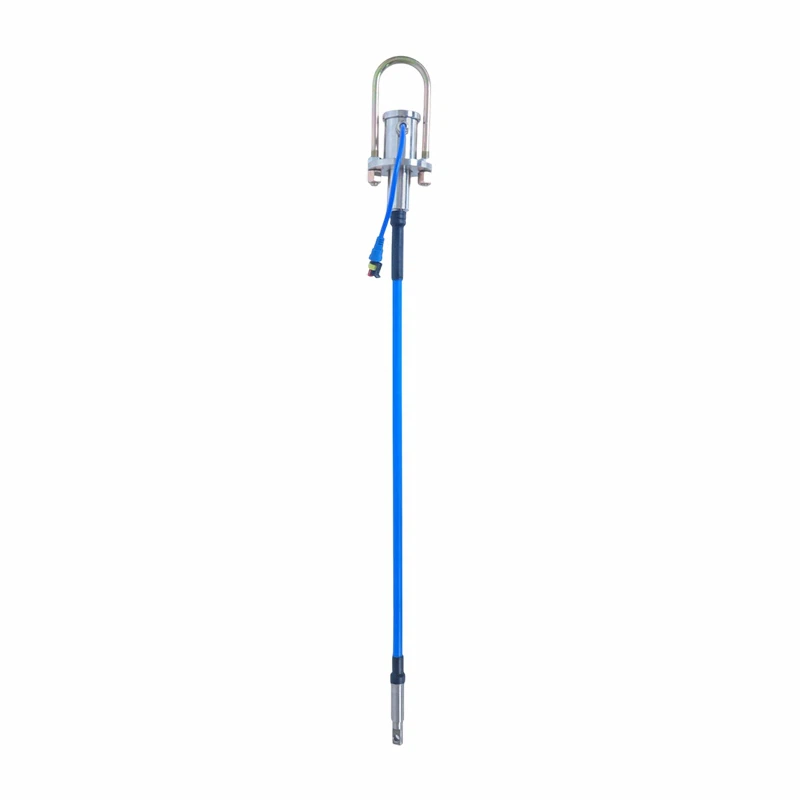

Applications of Digital Temperature Cables at Low Temperatures
Digital temperature cables are widely used in various industries where low-temperature monitoring is required. Here are some examples:
Cryogenic Research
In cryogenic research, temperatures can reach extremely low levels, close to absolute zero (-273.15°C). Digital temperature cables with thermocouples or RTD sensors are used to monitor the temperature of cryogenic liquids, such as liquid nitrogen and liquid helium. These cables need to be able to withstand the low temperatures and provide accurate temperature measurements in these harsh environments.
Cold Storage
Cold storage facilities, such as warehouses and refrigerated trucks, require precise temperature monitoring to ensure the quality and safety of the stored products. Digital temperature cables are used to monitor the temperature inside the storage units and alert the operators if the temperature goes out of the desired range.
Aerospace
In the aerospace industry, digital temperature cables are used to monitor the temperature of various components, such as engines, fuel tanks, and avionics systems. These cables need to be able to operate in extreme temperature conditions, including low temperatures during high-altitude flights.
Conclusion
The minimum temperature that a digital temperature cable can measure depends on several factors, including the type of sensor, the cable materials, and the electronics. Our digital temperature cables are designed to provide reliable and accurate temperature measurements in a wide temperature range, including extremely low temperatures. Whether you need to monitor the temperature in a cryogenic research facility, a cold storage warehouse, or an aerospace application, we have the right solution for you.
If you have any questions about our digital temperature cables or need help selecting the right product for your application, please feel free to contact us for procurement discussions. We look forward to working with you to meet your temperature monitoring needs.
References
- "Temperature Measurement Handbook", Omega Engineering
- "Thermocouple Reference Tables", NIST
- "Resistance Temperature Detectors (RTDs): Principles and Applications", Honeywell