

Grain quality control is a critical aspect of the agricultural and food industries. Ensuring that grains are of high quality is essential for various reasons, including maintaining nutritional value, preventing spoilage, and meeting market standards. One of the key tools in grain quality control is the Grain Moisture Monitor. As a supplier of Grain Moisture Monitors, I am well - versed in the significance of these devices in the grain industry.
The Basics of Grain Moisture and Its Impact on Quality
Before delving into the role of a Grain Moisture Monitor, it is important to understand the relationship between grain moisture and quality. Grains, such as wheat, corn, rice, and barley, naturally contain a certain amount of moisture. This moisture content can vary depending on factors like the stage of harvest, storage conditions, and environmental factors.
Excessive moisture in grains can lead to a multitude of problems. Microorganisms, such as fungi and bacteria, thrive in moist environments. When grains have high moisture levels, these microorganisms can grow rapidly, causing spoilage, mold formation, and the production of mycotoxins. Mycotoxins are toxic substances produced by fungi that can have severe health implications for humans and animals if consumed. In addition, high moisture can also lead to sprouting during storage, which reduces the quality and market value of the grains.
On the other hand, grains with extremely low moisture content can become brittle and prone to breakage during handling and processing. This can result in a loss of product and increased waste. Therefore, maintaining an optimal moisture level is crucial for preserving the quality and integrity of grains.
How Grain Moisture Monitors Work
Grain Moisture Monitors are designed to accurately measure the moisture content of grains. There are several types of moisture monitors available in the market, each using different technologies to measure moisture. Some common methods include capacitance, resistance, and near - infrared (NIR) spectroscopy.
Capacitance - based moisture monitors measure the dielectric constant of the grain, which changes with the moisture content. These monitors are relatively inexpensive and easy to use, making them popular among small - scale farmers and grain handlers. Resistance - based monitors measure the electrical resistance of the grain, which also varies with moisture. They are also cost - effective and can provide quick results.
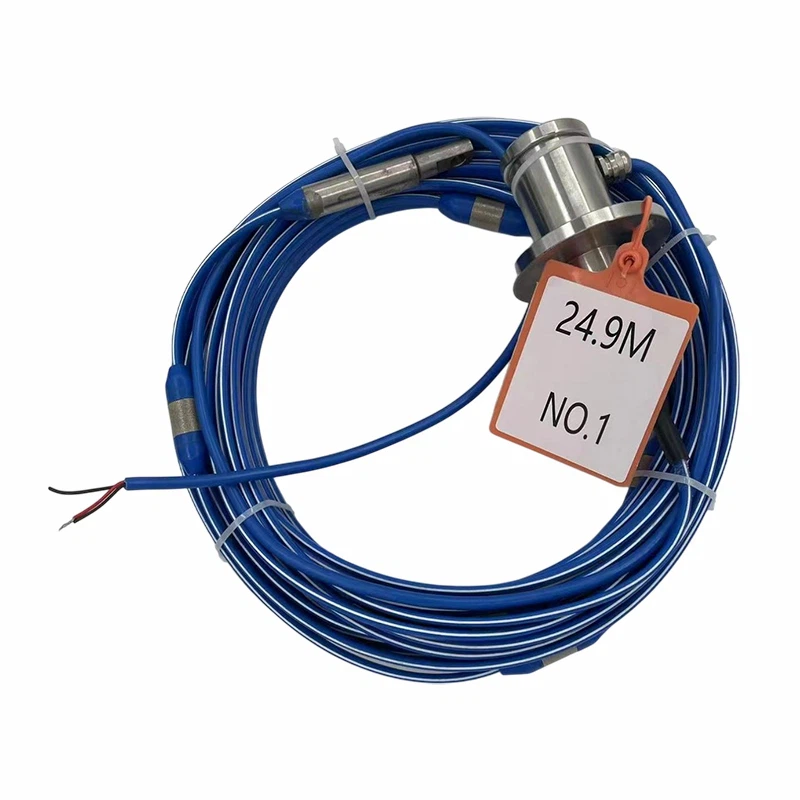

NIR spectroscopy is a more advanced technology used in high - end moisture monitors. It works by shining near - infrared light on the grain sample and measuring the absorption of light at specific wavelengths. Different molecules in the grain, including water, absorb light at different wavelengths. By analyzing the absorption spectrum, the moisture content of the grain can be accurately determined. NIR - based monitors are highly accurate and can also provide information about other quality parameters, such as protein and oil content.
Role of Grain Moisture Monitors in Harvesting
During the harvesting process, Grain Moisture Monitors play a vital role in determining the optimal time to harvest the grains. Harvesting grains at the right moisture level is crucial for ensuring high - quality yields. If grains are harvested too early, they may have a high moisture content, which can lead to spoilage during storage. On the other hand, if they are harvested too late, the moisture content may be too low, resulting in brittle grains and increased breakage.
Farmers can use moisture monitors to regularly check the moisture content of the grains in the field. Once the moisture content reaches the optimal level for harvest, they can start the harvesting process. This not only helps in preserving the quality of the grains but also improves the efficiency of the harvesting operation.
Role in Drying and Storage
After harvesting, grains often need to be dried to reduce their moisture content to a safe level for storage. Grain Moisture Monitors are essential during the drying process to ensure that the grains are dried to the appropriate moisture level. Over - drying the grains can be wasteful in terms of energy consumption and can also damage the grains. Under - drying, on the other hand, can lead to spoilage during storage.
Moisture monitors can be used to monitor the moisture content of the grains at regular intervals during the drying process. This allows operators to adjust the drying parameters, such as temperature and airflow, to achieve the desired moisture level.
During storage, moisture monitors are used to continuously monitor the moisture content of the grains. Changes in moisture content can indicate potential problems, such as leaks in the storage facility or the development of hot spots. By detecting these issues early, appropriate measures can be taken to prevent spoilage and ensure the long - term quality of the stored grains.
Role in Quality Assurance and Marketability
Grain Moisture Monitors are also important for quality assurance and meeting market standards. Many buyers, especially in the international market, have strict requirements regarding the moisture content of the grains they purchase. By using moisture monitors, grain producers and handlers can ensure that their products meet these standards.
Accurate moisture measurement also helps in determining the value of the grains. Grains with the optimal moisture content are generally of higher quality and can command a better price in the market. Therefore, using a reliable Grain Moisture Monitor can have a direct impact on the profitability of the grain business.
Complementary Products for Enhanced Monitoring
In addition to Grain Moisture Monitors, there are other products that can enhance the monitoring of grain quality. For example, the Moisture - proof Cable is designed to protect the monitoring equipment from moisture damage, ensuring reliable operation in humid environments. The Smart Grain Temperature And Humidity Monitoring Cable can provide real - time data on temperature and humidity in the grain storage facility, which are also important factors in grain quality control. The High - Sensitivity Temperature And Humidity Measurement Cable offers highly accurate measurements, allowing for more precise control of the storage conditions.
Conclusion and Call to Action
In conclusion, Grain Moisture Monitors play a crucial role in grain quality control at every stage of the grain supply chain, from harvesting to storage and marketing. By accurately measuring the moisture content of grains, these devices help in preventing spoilage, ensuring compliance with market standards, and maximizing the profitability of the grain business.
As a leading supplier of Grain Moisture Monitors, we are committed to providing high - quality, reliable, and easy - to - use monitoring solutions. Our products are designed to meet the diverse needs of farmers, grain handlers, and other stakeholders in the grain industry. If you are looking for a reliable Grain Moisture Monitor or any of our complementary products, we invite you to contact us for more information and to discuss your specific requirements. We are ready to assist you in achieving the highest level of grain quality control.
References
- Peleg, M., & Bagley, E. B. (2010). Physical Chemistry of Foods. Springer.
- Hall, C. W. (2001). Postharvest Technology of Cereals, Grains, and Oilseeds. Aspen Publishers.
- White, P. J., & Johnson, L. A. (2003). Wheat Chemistry and Technology. American Association of Cereal Chemists.