

As a seasoned supplier of Grain Moisture - proof Cables, I've been frequently asked about the signal transmission distance of these cables. In this blog, I'll delve into the factors affecting the signal transmission distance of Grain Moisture - proof Cables, and provide some insights to help you better understand and make informed decisions when it comes to cable selection.
Understanding Grain Moisture - proof Cables
Grain Moisture - proof Cables are specifically designed to operate in environments where grains are stored. These environments often pose challenges such as high humidity, varying temperatures, and potential exposure to dust and pests. The primary function of these cables is to transmit signals related to moisture levels and sometimes temperature from sensors placed within the grain storage to a monitoring system.
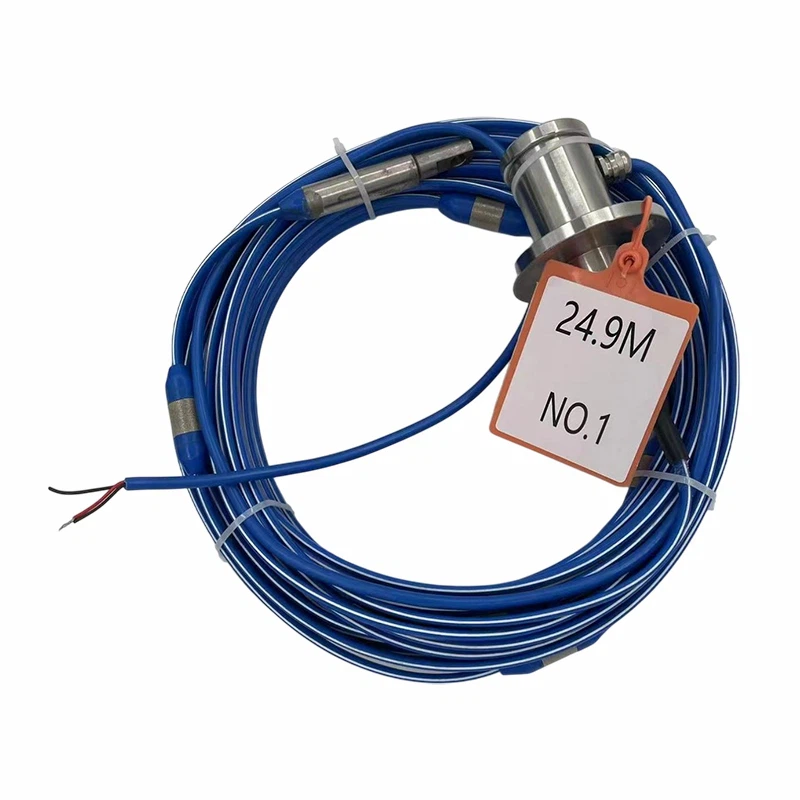
The Moisture - proof Cable we supply is engineered with high - quality materials to resist moisture ingress. It has a robust outer sheath that protects the inner conductors from the harsh conditions within grain silos or storage facilities. This cable is not only moisture - proof but also offers reliable signal transmission, which is crucial for accurate monitoring of grain conditions.
Factors Affecting Signal Transmission Distance
Cable Resistance
One of the most significant factors influencing the signal transmission distance is the cable's resistance. Resistance in a cable causes a loss of signal strength as the electrical signal travels through it. The longer the cable, the higher the resistance, and thus the greater the signal loss. Our Grain Moisture - proof Cables are made with conductors of low resistance. Copper is a commonly used material for the conductors in our cables due to its excellent electrical conductivity. By minimizing the resistance, we can extend the effective signal transmission distance.
Signal Frequency
The frequency of the signal being transmitted also plays a vital role. Higher - frequency signals tend to experience more attenuation (loss of signal strength) over distance compared to lower - frequency signals. In grain moisture monitoring systems, the signals typically operate within a specific frequency range. Our cables are optimized to work efficiently within this range to minimize signal loss. For example, if the signal frequency is too high, the cable may need to be shorter to maintain an acceptable signal strength at the receiving end.
Interference
External interference can significantly impact the signal transmission distance. In a grain storage environment, there may be electromagnetic interference from other electrical equipment, such as fans, motors, or lighting systems. Our Grain Moisture - proof Cables are shielded to protect the inner conductors from such interference. The shielding acts as a barrier, preventing external electromagnetic fields from disrupting the signal. Without proper shielding, the signal may become distorted or weakened, reducing the effective transmission distance.
Cable Quality and Construction
The overall quality and construction of the cable are crucial. A well - constructed cable with proper insulation and tight manufacturing tolerances will have better signal transmission characteristics. Our cables are manufactured using advanced techniques to ensure consistent quality. The insulation material not only provides electrical isolation but also helps to maintain the integrity of the signal. Additionally, the way the conductors are twisted and bundled within the cable can also affect signal transmission. Twisted pair conductors are often used in our cables to reduce electromagnetic interference and improve signal quality over longer distances.
Typical Signal Transmission Distances
In general, for our standard Grain Moisture - proof Cables, the signal transmission distance can range from several meters to tens of meters. However, this can vary depending on the factors mentioned above. In an ideal environment with low interference and using high - quality cables, the transmission distance can be extended.

For example, if you are using our Cold Storage Tank Temperature Measurement Cable in a relatively clean and low - interference cold storage environment, you may be able to achieve a longer signal transmission distance compared to a more challenging grain storage environment. The cable's specifications, such as conductor size and shielding effectiveness, also play a role in determining the actual transmission distance.
Case Studies
Let's take a look at a few case studies to illustrate the real - world performance of our Grain Moisture - proof Cables.
Case Study 1: Small - scale Grain Storage
A small - scale farmer had a grain silo with a diameter of about 10 meters. He installed our Grain Moisture - proof Cables to monitor the moisture levels at different depths within the grain. The sensors were connected to a monitoring system located outside the silo. With a cable length of approximately 15 meters, the system was able to transmit accurate moisture signals without any significant loss of signal strength. This was due to the low interference in the rural environment and the high - quality construction of our cables.
Case Study 2: Large - scale Grain Storage Facility
A large - scale grain storage facility with multiple silos and a complex electrical infrastructure presented a more challenging environment. The facility required the cables to transmit signals over distances of up to 30 meters. By using our shielded Grain Moisture - proof Cables and implementing proper grounding and signal amplification techniques, the facility was able to achieve reliable signal transmission. The monitoring system was able to accurately measure the moisture levels in all the silos, allowing for better management of the grain quality.
Optimizing Signal Transmission Distance
To optimize the signal transmission distance of our Grain Moisture - proof Cables, there are several steps you can take:
- Proper Cable Selection: Choose the cable with the appropriate conductor size and shielding based on your specific requirements. Our technical team can assist you in selecting the right cable for your application.
- Minimize Interference: Keep the cables away from sources of electromagnetic interference. Use proper grounding techniques to reduce the impact of external electrical fields.
- Signal Amplification: In cases where the required transmission distance is long, consider using signal amplifiers. These devices can boost the signal strength, compensating for the signal loss over the cable.
- Regular Maintenance: Inspect the cables regularly for any signs of damage or wear. Replace any damaged cables promptly to ensure reliable signal transmission.
Related Products
In addition to our Grain Moisture - proof Cables, we also offer other related products that can enhance your grain monitoring system. The Temperature and Moisture Thermometer Rod is a useful tool for accurately measuring both temperature and moisture levels within the grain. It can be used in conjunction with our cables to provide a comprehensive monitoring solution.
Conclusion
The signal transmission distance of a Grain Moisture - proof Cable is influenced by multiple factors, including cable resistance, signal frequency, interference, and cable quality. As a supplier, we are committed to providing high - quality cables that offer reliable signal transmission over reasonable distances. By understanding these factors and taking appropriate measures to optimize the system, you can ensure accurate and efficient monitoring of grain moisture levels.

If you are interested in our Grain Moisture - proof Cables or other related products, we invite you to contact us for a detailed discussion about your specific requirements. Our team of experts is ready to assist you in selecting the right products and designing a monitoring system that meets your needs.
References
- "Electrical Engineering Handbook" by Richard C. Dorf
- "Cable Installation and Maintenance Guide" by Cable Manufacturers Association