

Grain storage is an indispensable and strategic segment of the modern agricultural supply chain. It directly dictates the preservation quality of harvested crops and ensures the consistent availability of raw materials for processing industries. This critical process effectively bridges the seasonal gap between consecutive harvests, maintaining a steady supply of grain during lean periods and fundamentally mitigating the risks of global food shortages. Proper grain storage not only stabilizes the market's food supply but also comprehensively maintains the nutritional quality and biological safety of the grains.
With the relentless growth of the global population, the escalating demand for higher food yields has become the primary catalyst driving the need for advanced grain storage solutions. To satisfy this booming food consumption demand, the agricultural sector urgently requires cutting-edge, integrated grain storage systems capable of minimizing post-harvest losses and guaranteeing regional food security. Today, smart warehousing management systems equipped with big data analytics are vital for optimizing operational workflows, reducing post-harvest spoilage, and maximizing economic returns in the grain storage sector.
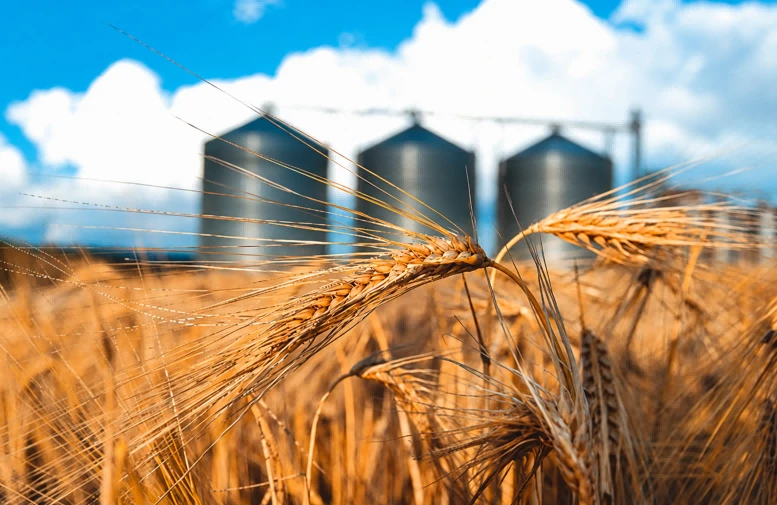
In recent years, many countries have witnessed a surge in the necessity for robust strategic grain storage capacity. To counteract the impacts of extreme climate events, geopolitical friction, and sudden supply chain disruptions, governments worldwide are actively seeking to establish larger import channels and centralized strategic grain reserves, aiming to enhance national food security and supply chain resilience.
Beyond safeguarding the absolute "quantity" of food, modern grain storage systems play a pivotal role in guaranteeing food quality and biosecurity. Scientific storage conditions help perfectly retain the original nutritional values of grains, ensuring they continuously deliver essential vitamins, minerals, and macronutrients to consumers. This is particularly vital in underdeveloped or remote regions where access to diversified food sources is constrained, rendering grains the primary source of human sustenance and livelihood.
1. The Critical Importance of Proper Grain Conditioning and Drying
Within the post-harvest management pipeline, grain conditioning and drying stand as the premier defense mechanisms required to maintain crop quality and prevent mold proliferation and biodegradation during long-term storage.
The Science of Moisture Control
Immediately following a harvest, grains typically retain a high initial moisture content. This humid microclimate acts as a breeding ground for mold spores, hazardous bacteria, and insect infestations.
Grain Conditioning
This involves the scientific adjustment of the grain's internal moisture level to a standard safe storage threshold (typically between 13% and 14%, depending on the specific crop variety).
Grain Drying
This process utilizes specialized mechanical heat or ambient forced air to rapidly and effectively eliminate excess water, destroying the high-moisture habitat that microorganisms rely on to survive.

Extending Storage Longevity and Stability
By stripping away excess moisture, proper grain conditioning and drying eliminate the root causes of crop spoilage, preserving grain quality and commercial grading. Furthermore, it completely inhibits the growth of micro-flora, ensuring the extended shelf life and consumption safety of the stored bulk. These standardized protocols are exceptionally urgent and critical in warm, humid tropical zones, or when crops are harvested during high-temperature or rainy seasons.
2. Emerging Trends and Innovations in the Grain Storage Industry
Propelled by the waves of Industry 4.0 and sustainable agriculture, the global grain storage sector is experiencing unprecedented technological breakthroughs, primarily across three dimensions:
Digitalization and Automated Warehousing
The digitalization and automation of grain storage operations are becoming ubiquitous. By deploying high-precision Internet of Things (IoT) sensor networks throughout storage cells, facility managers can achieve 24/7 real-time remote monitoring and precise control over internal grain pile temperatures, relative humidity, and gas concentrations.
AI-Driven Predictive Analytics and Risk Management
Artificial Intelligence (AI) and Machine Learning (ML) algorithms are being deeply integrated into modern grain management software. These systems perform advanced predictive analytics based on historical storage data and real-time localized weather forecasts. This drastically elevates operational efficiency, optimizes energy consumption, and provides early warning alerts for hazards like hot spots, mold growth, or dust explosion risks.
Sustainable and Green Grain Storage Solutions
Eco-friendly and energy-efficient practices are gaining significant traction globally:
- Energy-Saving Drying Technologies: Innovations such as industrial microwave drying and heat pump dryers substantially lower the carbon footprint compared to traditional fossil-fuel-powered burners.
- Eco-Friendly Pest Management: Shifting away from chemical pesticides toward physical barriers and biological controls.
- Scale-Specific Storage Infrastructure: Depending on the bulk volume, the industry utilizes bag storage (ideal for smallholders due to its low cost and high flexibility) and bulk storage (utilizing horizontal warehouses, shallow-rounded bins, or towering silos for handling commercial, large-scale grain volumes with superior cost-effectiveness).
- Industry Benchmark: Modern Silo Systems The most standardized and prominent infrastructure in modern grain storage is the galvanized corrugated steel silo. Silos offer massive storage capacity while efficiently maximizing vertical land space. However, constructing high-spec steel silos is highly capital-intensive, which poses financial hurdles for small-scale farmers and developing regions. Consequently, routine professional maintenance is paramount to ensure structural integrity, prevent moisture ingress, and guarantee long-term operational functionality.
3. Core Challenges in Grain Preservation: Infestation, Mold, and Respiration
Grain preservation is a continuous battle against natural degradation. The core objective is to ensure zero quantitative loss and zero qualitative decline during the storage period. However, warehouse operators constantly face three major biological and physical threats:
Grain Respiration and Heat Accumulation
Grains are living organisms that continue to undergo cellular respiration after being harvested. This respiration process consumes oxygen and generates metabolic heat and moisture. If the storage facility suffers from poor ventilation, this localized heat cannot dissipate, causing grain pile temperatures to spike-a phenomenon known as "hot spots." In extreme scenarios, this can lead to spontaneous combustion or catastrophic dust explosions within the storage facility.
Destructive Insect Infestation
Pest infestation is a global menace in grain management. Specialized insect pests (such as weevils, grain beetles, and flour moths) target specific crop varieties. They not only devour the grain kernel and destroy the nutrient-rich germ but also leave behind metabolic waste, rendering the entire grain batch commercially worthless and hazardous for consumption.
Fungal Development and Mycotoxin Contamination
When grains encounter high-moisture environments or localized condensation, fungal molds multiply exponentially. This causes grain discoloration, foul odors, and an spike in free fatty acids. More dangerously, certain fungal strains (like Aspergillus flavus) secrete highly carcinogenic and toxic compounds known as mycotoxins. These toxins present a severe threat to human and livestock health, causing irreversible economic and medical damages.
4. Advanced Grain Management Techniques for Total Protection
To counter these formidable challenges, vanguard grain storage enterprises universally adopt an Integrated Pest Management (IPM) framework. The synergy of these advanced preservation techniques constructs a foolproof barrier from the field to the fork:
| Advanced Management Technique | Core Technological Mechanism | Key SEO Value & Search Intent |
| 1. Exclusion Strategies | Utilizing physical barriers (such as fine insect-proof netting, hermetic seals, and airtight bay doors) to prevent pests and rodents from entering, drastically reducing reliance on chemical fumigation. | Green grain storage, chemical-free pest control |
| 2. Thorough Grain Cleaning | Utilizing vibratory screens, de-stoners, and magnetic separators prior to binning to remove foreign dockage, broken kernels, and chaff, thereby optimizing storage microclimates and maximizing valid storage volume. | Pre-storage grain cleaning, dockage removal |
| 3. Bulk Leveling | Leveling the peaked surface of the grain pile post-loading. This ensures uniform mechanical airflow throughout the grain mass, eliminating dead zones (untreated pockets) and reinforcing comprehensive protection. | Grain aeration uniformity, hot spot prevention |
| 4. Smart Storage Condition Monitoring | Tracking the 3D matrix of temperature and humidity across the grain pile in real-time, allowing engineers to intervene immediately at the first sign of any qualitative deterioration. | Digital grain telemetry, IoT grain monitoring |
| 5. Mechanical Aeration and Ventilation | Utilizing heavy-duty industrial fans to force ambient air through the grain bulk, balancing internal temperature variations and controlling grain temperature fluctuations to eliminate condensation. | Grain cooling fans, condensation control |
| 6. Controlled Atmosphere Storage (CA) | Infusing sealed enclosures with nitrogen ($N_2$) or carbon dioxide ($CO_2$) to alter gas ratios, creating a hypoxic environment that suffocates pests and arrests fungal respiration. | Nitrogen grain preservation, modified atmosphere |
| 7. Grain Chilling Technology | Utilizing industrial refrigeration units during hot seasons to pump chilled, dehumidified air into the warehouse, keeping grain temperatures below 15°C for year-round, eco-friendly fresh storage. | Low-temperature grain storage, grain chillers |
Conclusion
In summary, advanced grain storage and holistic preservation systems constitute the bedrock of global food security. The evolution of cutting-edge storage infrastructure, deep big data integration, and digitalized industry trends play a defining role in minimizing post-harvest losses and upholding a premium-grade food supply.
By actively implementing these best-in-class grain management and green preservation practices, farmers, commercial traders, and food processing conglomerates can flawlessly safeguard the commercial quality, consistent availability, and biological safety of global grains-ultimately driving a sustainable future for the global food supply chain.