

In modern agriculture, food processing, and bulk logistics industries, steel silos have become the global standard for storing grain. Thanks to their high structural strength, rapid construction cycle, modular design, and superior sealing capabilities, they offer an efficient solution for large-scale grain storage.
However, steel structures interact with nature in ways traditional concrete warehouses do not. Without an advanced, precision-engineered grain monitoring system, a high-quality steel silo can easily turn into an unpredictable "black box." When dealing with thousands of tons of living, respiring biomass, a lack of visibility inside the silo poses an immediate threat to global food security and corporate profitability.
Why Must Steel Silos Be Equipped with a Grain Monitoring System?
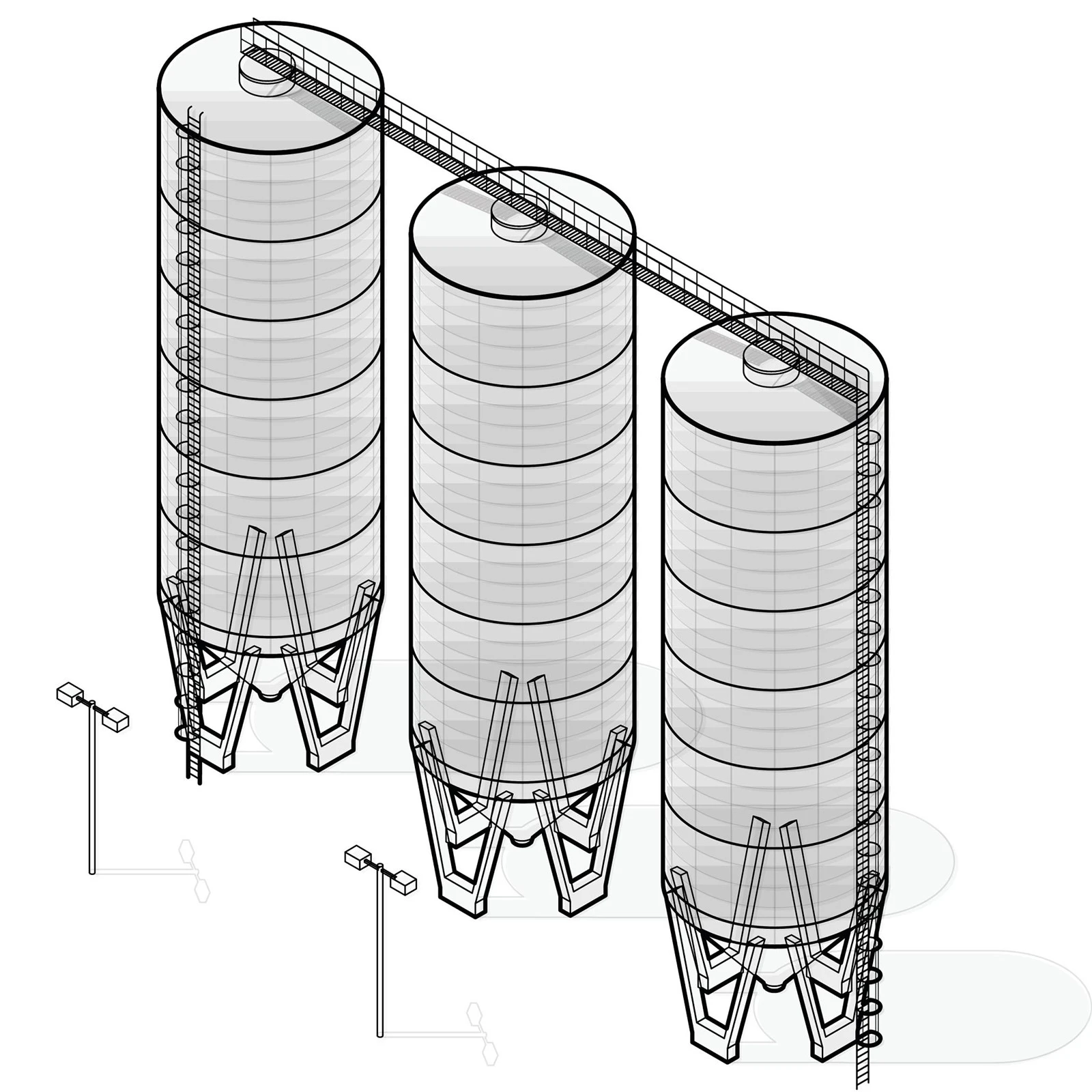
Unlike traditional concrete warehouses with thick, insulating walls, steel silos are engineered with relatively thin galvanized steel plates. While cost-effective, this specific architectural profile exposes the stored grain to unique and severe thermodynamic risks:
1. The "Oven Effect" (High Thermal Conductivity)
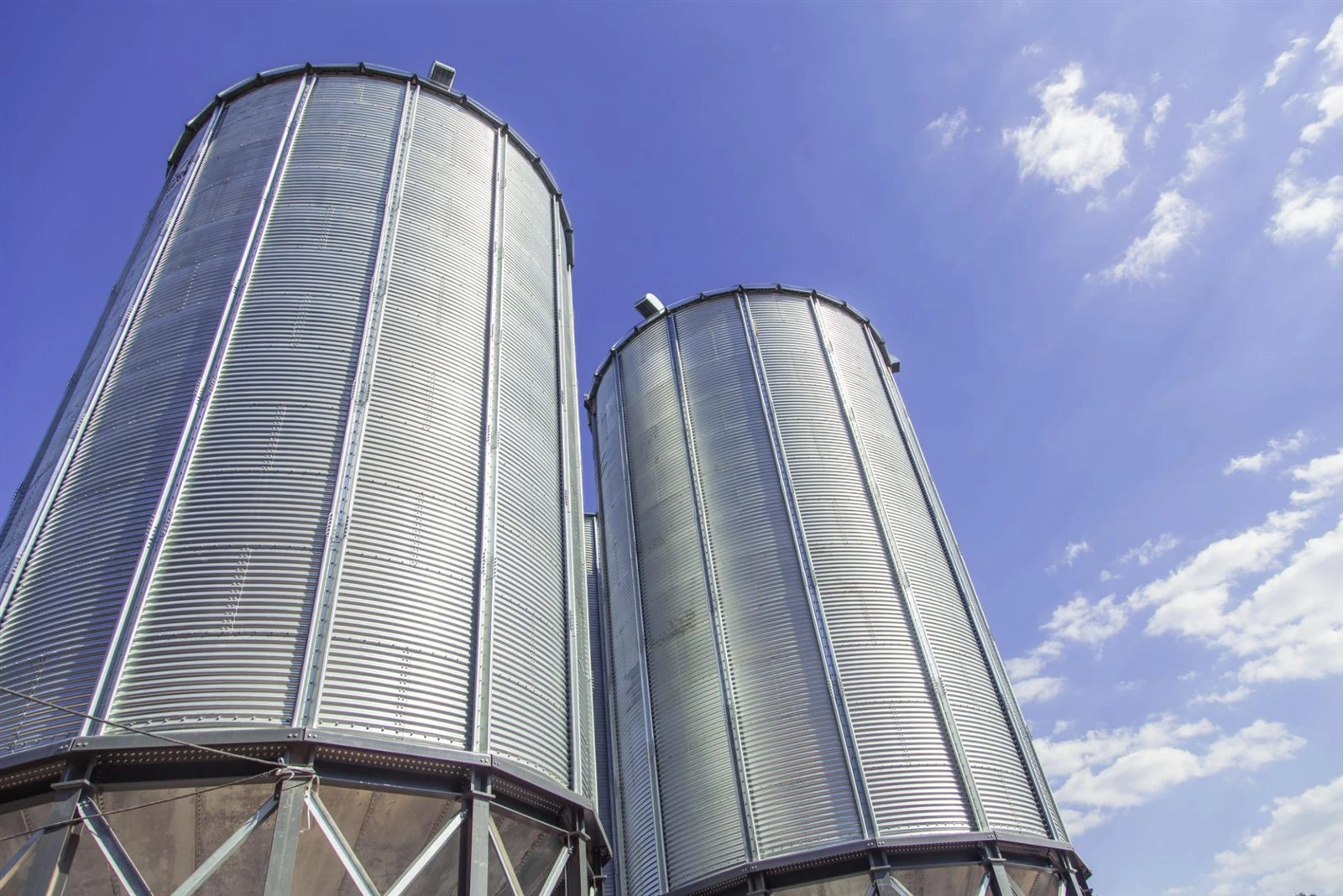
Steel is an excellent conductor of heat. During hot summer months or in regions with extreme diurnal (day-night) temperature variations, the steel shell absorbs ambient solar radiation rapidly. This external heat is quickly transferred to the grain layers touching the silo walls. As the internal temperature spikes, it accelerates grain respiration, causing the grain to consume its own dry matter, lose nutrients, and suffer from rapid biological aging.
2. Moisture Migration and the "Wall Condensation" Phenomenon
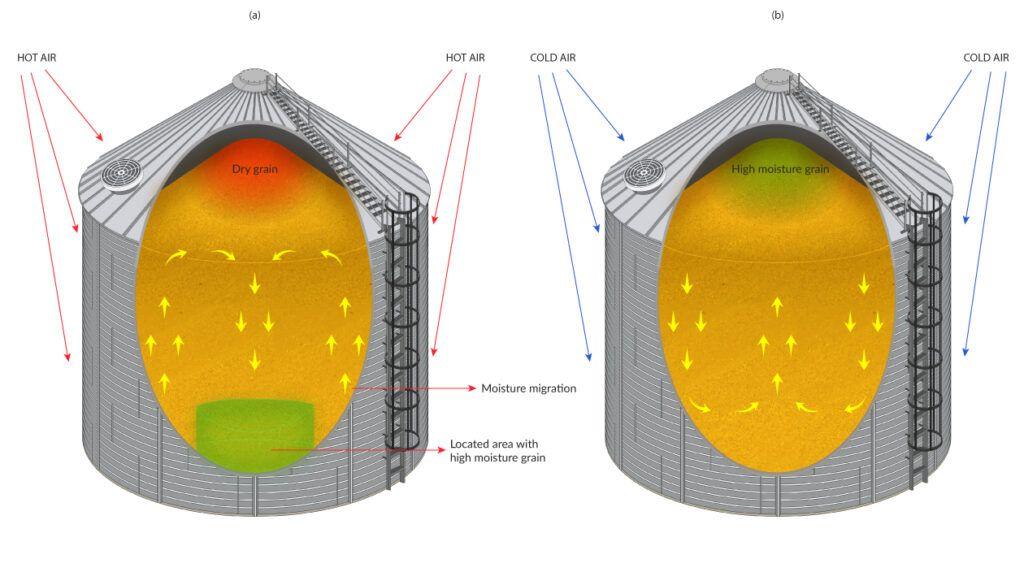
Grain is a poor conductor of heat, meaning the core of the grain mass retains its temperature for a long time. When the outside temperature drops suddenly (such as at night or during seasonal changes), a steep temperature gradient forms between the warm center and the freezing steel wall.
This gradient forces internal air to circulate via natural convection, carrying moisture upward and outward. When this warm, humid air hits the cold steel roof or walls, it condenses into water droplets-essentially "raining" inside the silo. This localized moisture spike creates the perfect breeding ground for destructive mold, hot spots, and rapid insect infestations.
3. Structural Hazards of Spoilage
When grain spoils, cakes, or crusts due to undetected moisture, it alters the flow dynamics inside the silo during discharge. Instead of uniform mass flow, "funnel flow" or eccentric discharging occurs, exerting uneven lateral pressure on the thin steel walls. In severe cases, this asymmetric load can cause the entire steel silo to buckle, collapse, or suffer catastrophic structural failure.
Therefore, investing in a robust grain silo monitoring system is no longer a luxury upgrade-it is a baseline safety requirement to protect both your agricultural assets and your structural investments.
Core Functions of a Grain Monitoring System
An efficient, modern monitoring system goes far beyond taking basic temperature readings. It acts as the "central nervous system" and the "digital brain" of your storage facility, providing four critical, interconnected functions:
Multi-Layer Real-Time Temperature Tracking
Utilizing heavy-duty vertical grain temperature cables suspended from the silo roof, the system continuously captures temperature variations at multiple depths, columns, and layers. This comprehensive 3D data grid ensures that even the smallest localized temperature spike-often the first indicator of insect activity or localized fungal growth-is caught immediately.
01
Interstitial Moisture & Relative Humidity Monitoring
Temperature alone tells only half the story. Specialized sensors measure the relative humidity of the interstitial air (the air pockets between individual grains). By cross-referencing temperature and humidity, the system calculates the Equilibrium Moisture Content (EMC), allowing managers to know exactly whether the grain is drying, absorbing moisture, or reaching a critical spoilage threshold.
02
Predictive Early Warning & Intelligent Alarm Systems
Advanced systems do not wait for a crisis to happen. Utilizing smart algorithms, the control software analyzes historical trends and temperature rise rates. If a specific node shows an abnormal temperature increase (e.g., rising by 1°C per day), the system instantly triggers automated alerts via SMS, email, or localized dashboards, allowing operators to intervene days before physical spoilage manifests.
03
Automated Smart Aeration Control
Running silo ventilation fans blindly is highly inefficient and can inadvertently introduce moisture into the silo. A smart system integrates the internal silo data with an external weather station. It automatically initiates aeration control only when ambient temperature and humidity conditions are mathematically optimal to cool or dry the grain, drastically reducing corporate energy consumption and preventing accidental over-drying (which shrinks grain weight and profit margins).
04
Technical Selection Matrix: At-A-Glance Comparison
To streamline your procurement decision, this breakdown summarizes how these 5 architectures compare in practical deployment:
| System Type | Key Features | Best Suited For |
|---|---|---|
| Handheld Temperature Monitoring System | Low cost, manual plug-in reading, flexible spot checking anytime | Small grain storage sites, temporary inspection, budget-sensitive users |
| Local Display Temperature Monitoring System | Temperature data displayed directly on a control box or touch screen at the site | Small and medium-sized grain depots, on-site operation and monitoring |
| PC-Based Monitoring System | View grain temperature, trend curves, alarms, and historical records through computer software | Grain depot managers, centralized warehouse management |
| Mobile / Cloud Monitoring System | Remote access, alarm notifications, online data synchronization, multi-site management | Multiple storage sites, unattended storage projects, remote management |
| PLC / Central Control Integration System | Supports MODBUS, RS485, TCP/IP and integration with SCADA or central control systems | Engineering projects, feed mills, grain processing plants, power plants |
Why Are More Companies Switching to Advanced Grain Monitoring Systems?
The global shift toward automated, data-driven grain storage management is being accelerated by clear economic incentives and changing regulatory landscapes. Forward-thinking companies are replacing manual workflows with digital monitoring for several undeniable reasons:
The Return on Investment (ROI) Math
In traditional storage setups, post-harvest losses due to undetected spoilage, insect damage, and moisture shrink average around 3% to 5% annually. By deploying a precision digital monitoring matrix, enterprises routinely compress these losses to less than 0.5%. For a commercial facility managing 50,000 tons of grain, preserving that 4% of inventory translates directly into hundreds of thousands of dollars saved, yielding a full hardware capital expenditure (CapEx) payback within 12 to 18 months.
Mitigating Labor Shortages and Safety Risks: Manual temperature probing-requiring workers to climb high catwalks, enter confined silo spaces, and manually drop probes into grain-is highly labor-intensive, time-consuming, and presents severe safety hazards (including dust explosion risks and falls). Automated systems provide 24/7/365 precision data without placing a single worker in harm's way.
Preserving Premium Market Value: When a hot spot or moisture patch is detected early, localized corrective action can be taken (such as running a single fan or scheduling a targeted transfer). Without a system, operators often discover the issue only when the grain smells sour or discolors, forcing them to sell the entire batch at a heavily discounted discount or face rejection from food-grade buyers.
Meeting Global Supply Chain Compliance: Food processors, milling groups, and international grain traders now demand absolute transparency. Digital grain monitoring systems generate unalterable, continuous historical logs of storage conditions. This serves as a digital passport for the grain, proving compliance with strict food safety, traceability, and mycotoxin-prevention standards.