

📦 How Does Grain Enter Storage Step by Step? Discover the Four-Stage Journey into the Warehouse!
Grain storage is not a simple task of unloading and piling-it is a meticulously organized process that ensures food safety, cleanliness, and compliance with quality standards. From the moment a truck arrives at a grain depot to the final smart inspection before warehousing, every step plays a crucial role in maintaining the integrity and quality of the grain. Let's walk through the four major stages that define the grain intake process.
📸 1: Grain Arrival and Pre-Storage Preparation
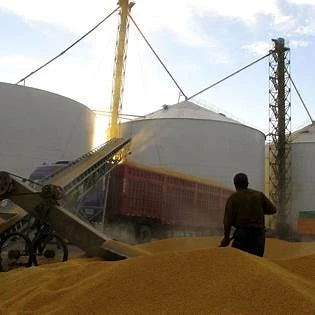
At the site entrance, unloading trucks arrive carrying bulk grain. The grain is often piled into small mounds, creating a golden landscape of wheat or corn, depending on the season. Conveyor belts are already running, preparing to transport the grain into the next processing phase. Workers coordinate the flow of vehicles and ensure that the unloading is conducted in an organized and safe manner. This is the very beginning of the intake journey-where grain starts its transition from transport to storage.
📸 2:Conveyor Belt Transfer and Manual Inspection
As the grain moves forward via conveyor belts, it reaches the initial inspection zone. Here, trained personnel perform real-time quality checks, visually monitoring the condition of the grain while also sampling batches for testing. They measure moisture content, check for foreign materials like stones or husks, and assess general grain cleanliness. These tests are essential in preventing poor-quality or contaminated grain from entering the warehouse, ensuring that only qualified batches proceed to the next stage.

📸 3: Mechanical Screening and Automated Cleaning

Grain that passes manual inspection is then directed into a mechanical screening system. These machines use sieves, vibration, and air flow to remove impurities, dust, and non-grain particles. The goal is to standardize the grain's physical condition before it is stored. This step is particularly important for large-scale warehouses that deal with high daily throughput. It reflects the principle of "clean before store", which ensures a smoother warehousing process and protects against spoilage during long-term storage.
📸 4: Smart Quality Control Before Entry
Before the grain can officially enter the warehouse, it undergoes a final, intelligent inspection. Here, smart instruments are used to test the grain's temperature and humidity levels. These environmental factors are critical-grain that is too moist can spoil, while incorrect temperature conditions can lead to mold or pest infestations. Inspectors document these values digitally to enable real-time data tracking and quality control. Only batches that meet all thresholds are cleared for warehouse entry.

📍 Conclusion: A Relay of Quality and Responsibility
The grain intake process is a carefully designed, four-step relay: from unloading and conveyor transport, to inspection, mechanical cleaning, and finally smart environmental testing. Each link in the chain reinforces the next, collectively ensuring that only clean, safe, and high-quality grain enters storage. This system not only reduces post-harvest losses but also lays the foundation for safe long-term grain preservation. Behind every successful warehouse operation lies this seamless coordination-a silent but vital safeguard for our food supply.